Mornington Peninsula, Victoria
A welcoming place for alpaca owners and future owners to find support, advice and connection.
Come for a chat, visit a farm, or join us at a get-together.
About the group
A network of alpaca owners, working as one
Mornington Peninsula Alpaca Group is committed to the development, promotion, and marketing of quality alpacas, their fibre and product made from their fibre, and brings together the expertise and experience of over 15 established studs.
Collectively, the group interacts as an effective and efficient network and support system, offering the benefits of a large scale single operation, while showcasing a wide variety of properties, agistment facilities, pastures and animal husbandry techniques.
The farms represented provide a diversity of quality breeding stock in a kaleidoscope of colour.
More about the group and the animals →Where to begin
Three things every first-time owner asks us
{{ q.q }}
{{ q.a }}
A kaleidoscope of colour, across the seasons
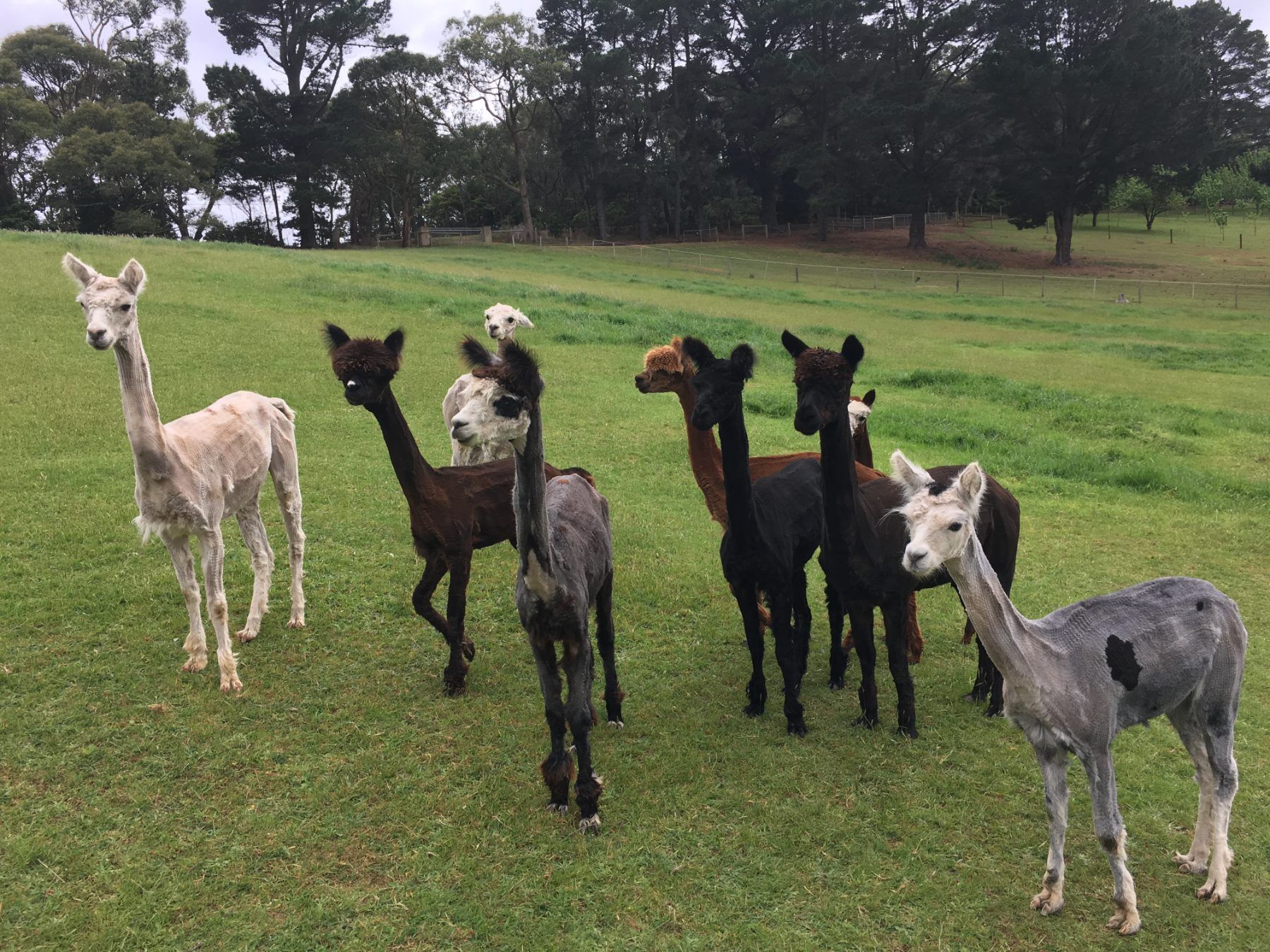
Black, white, brown, fawn and grey — with many shades of each.
See the gallery →Farm locations
Ten farms, twenty kilometres apart
Come and meet them. Phone ahead, and stay a while.
Some of our larger farms welcome visitors by arrangement — whether you are buying your first two wethers or building a stud.
Owning alpacas
What it actually involves
Alpacas are members of the 'Camelid' family, originating from South America. They are quiet, hardy and easy on pasture — which is why so many Peninsula properties keep a few. Here is what to know before you buy.
Alpaca facts
{{ fact.text }}
From first visit to first paddock
{{ step.title }}
{{ step.text }}
Huacaya or suri?
Huacaya carry a dense, crimped fleece that grows perpendicular to the body — the teddy-bear look most people picture. Suri fleece hangs in long, silky locks that part along the spine and swing as the animal moves.
Both are kept across the Peninsula, in all five main colours. Visiting two or three farms is the quickest way to work out which you are drawn to.
Farm locations
All within twenty kilometres
Our farms sit between Mount Martha and Tyabb in the north and Shoreham and Main Ridge in the south. Phone ahead — every farm is someone's home.
All member farms are listed below. Farms marked open to visitors welcome enquiries; those with their own website can be contacted directly through it. For the others, get in touch with the group and we will pass your enquiry on.
News & events
What is happening on the Peninsula
MPAB alpacas at the Red Hill Show
Our members bring animals from across the group each year — a good chance to see huacaya and suri side by side, talk to breeders, and handle a fleece before you buy.
Read more →Gallery
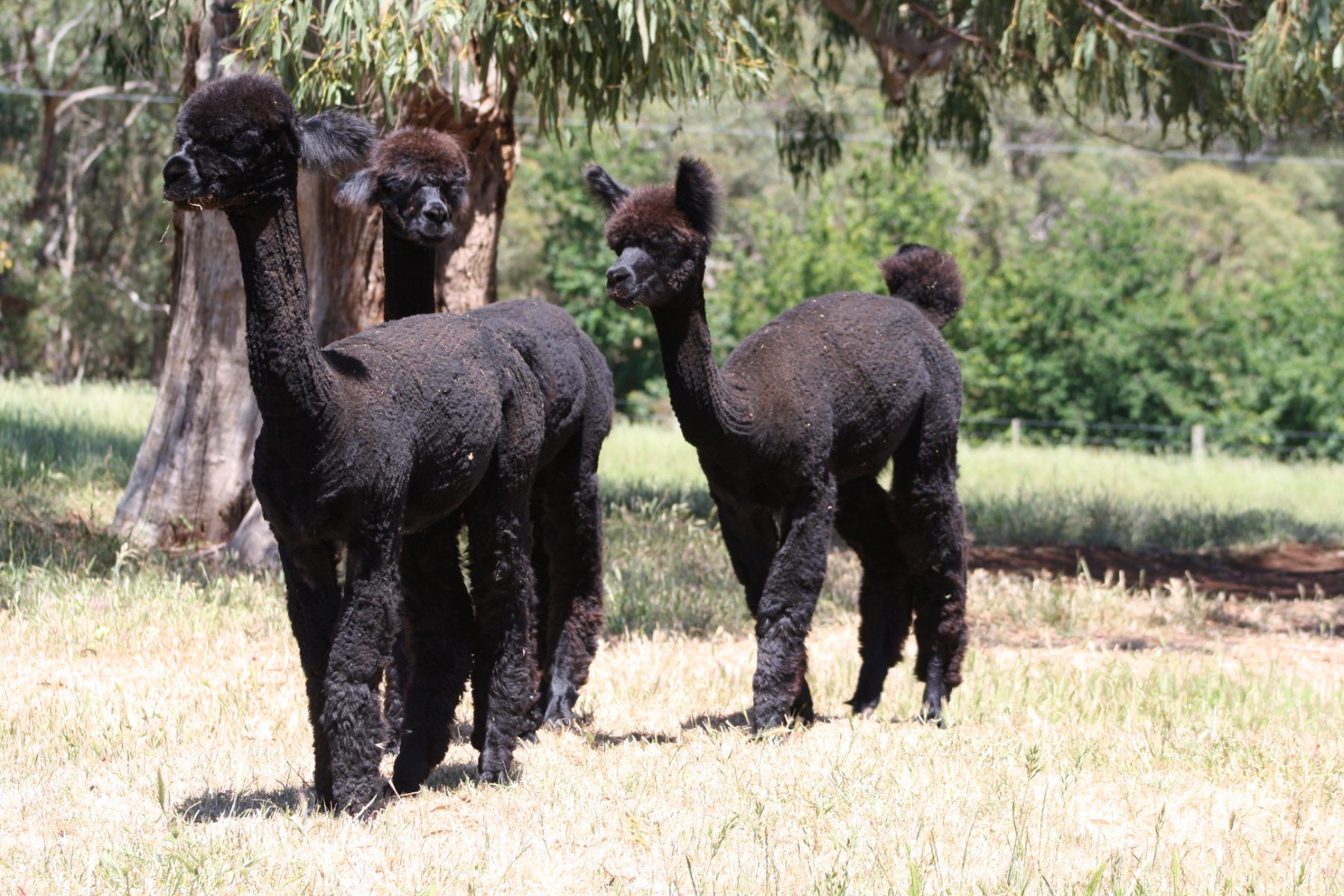
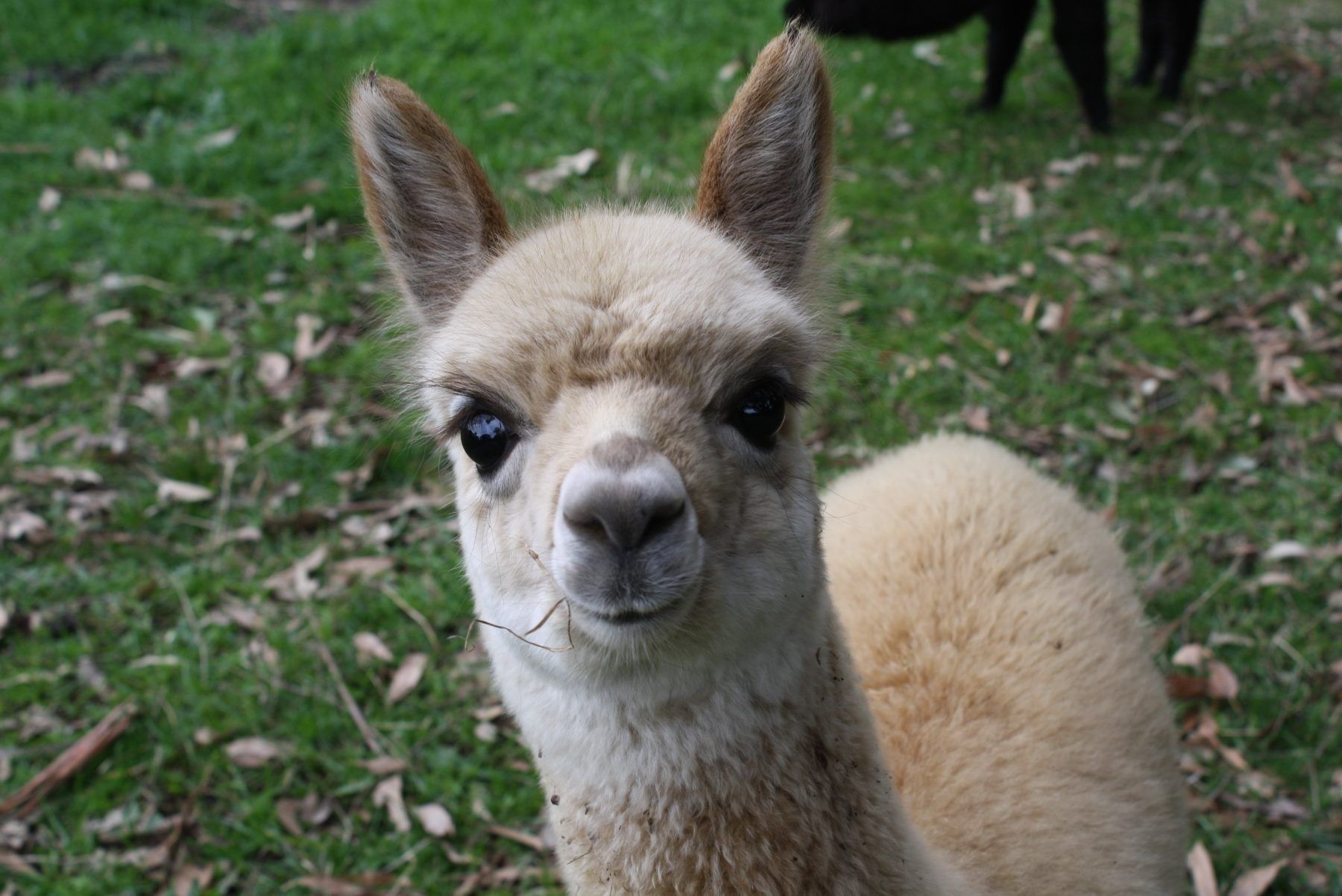
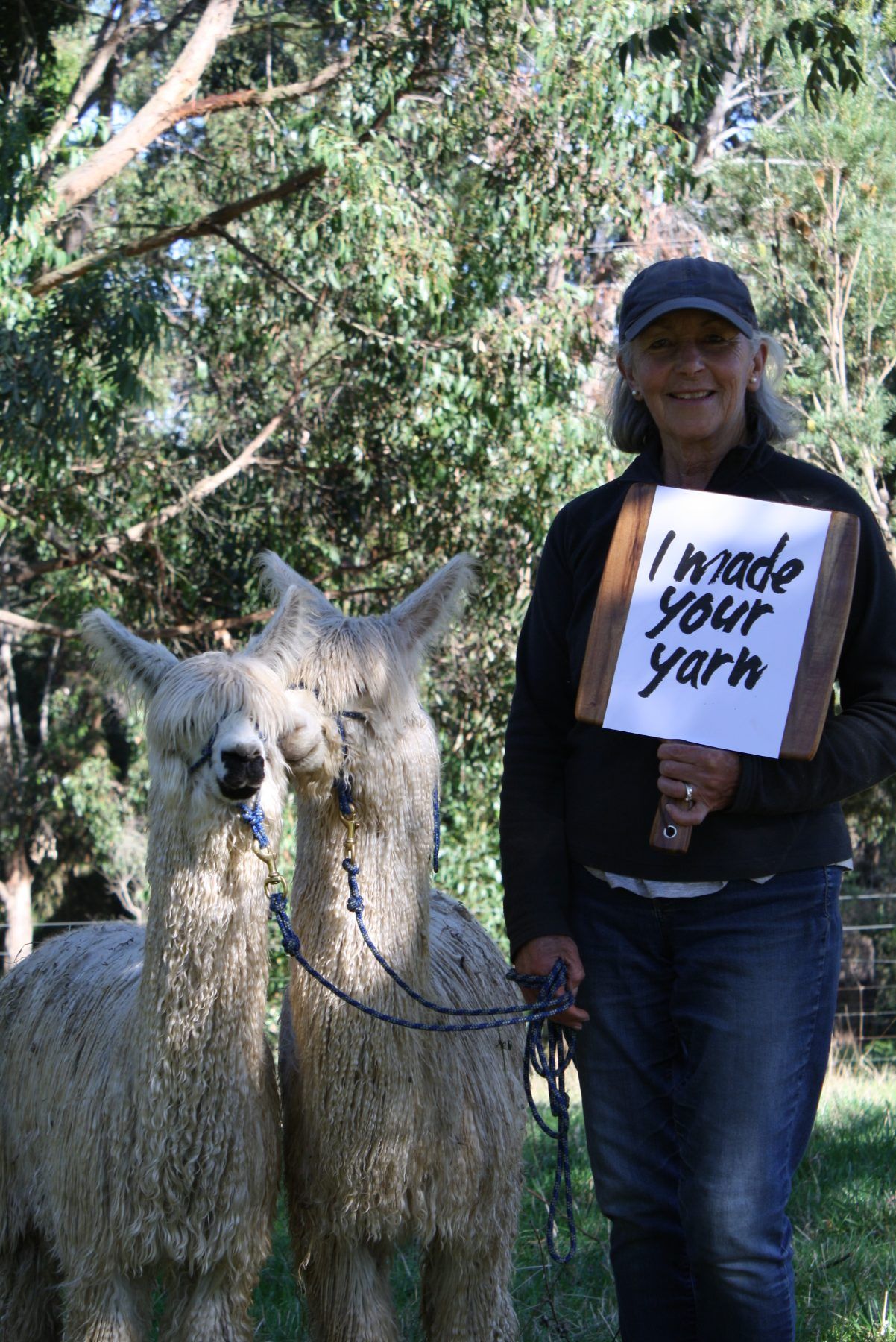
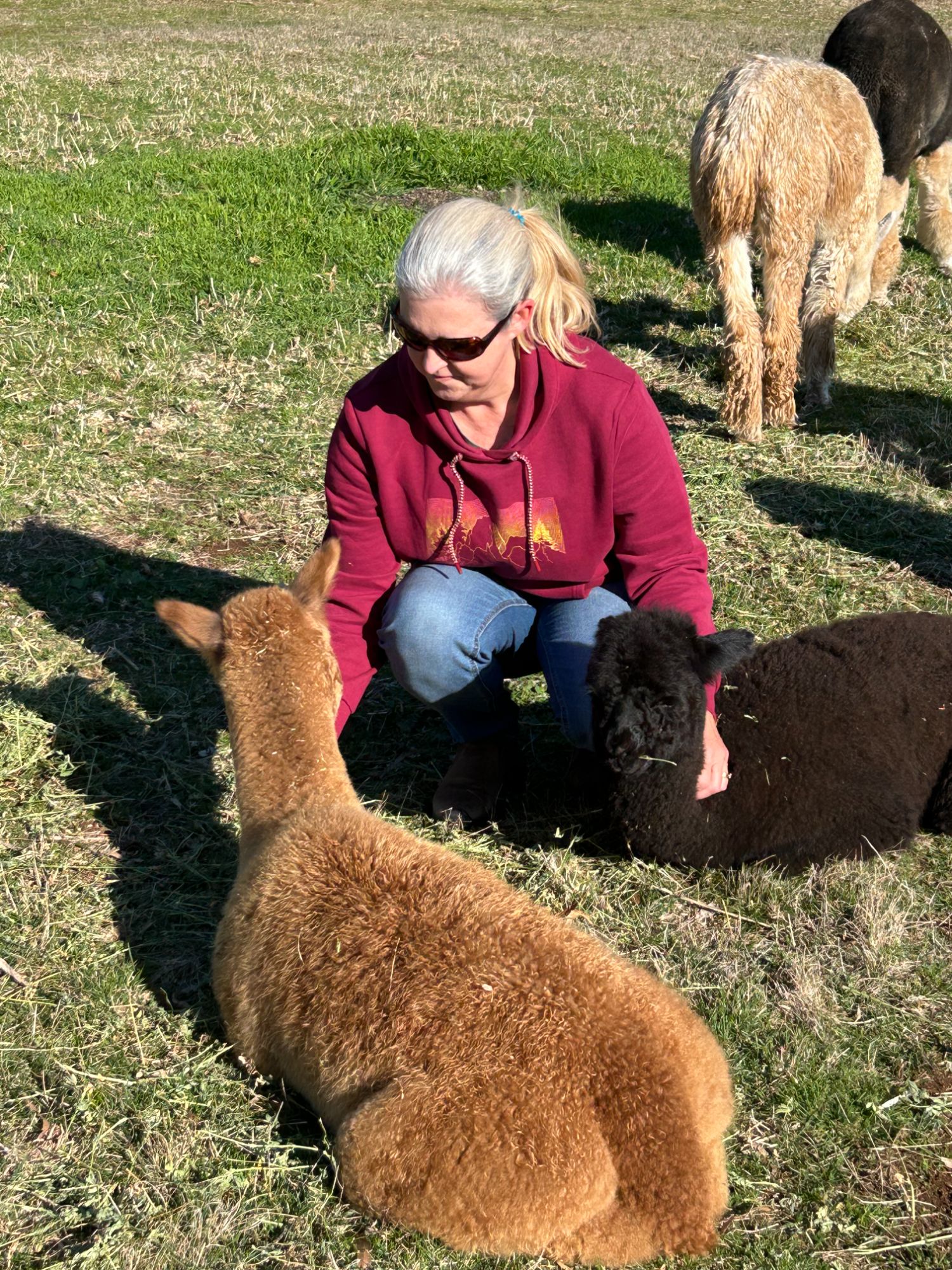
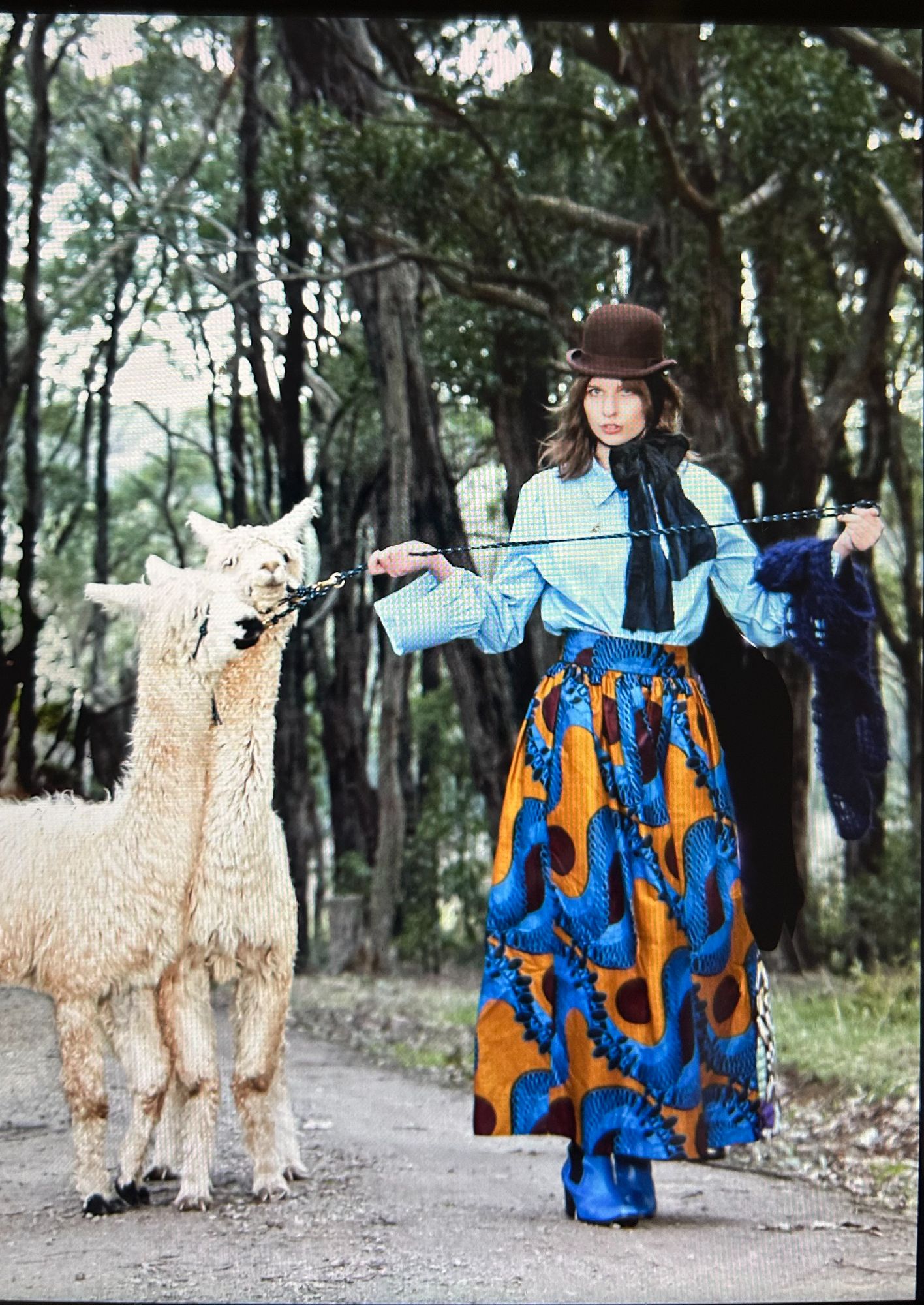
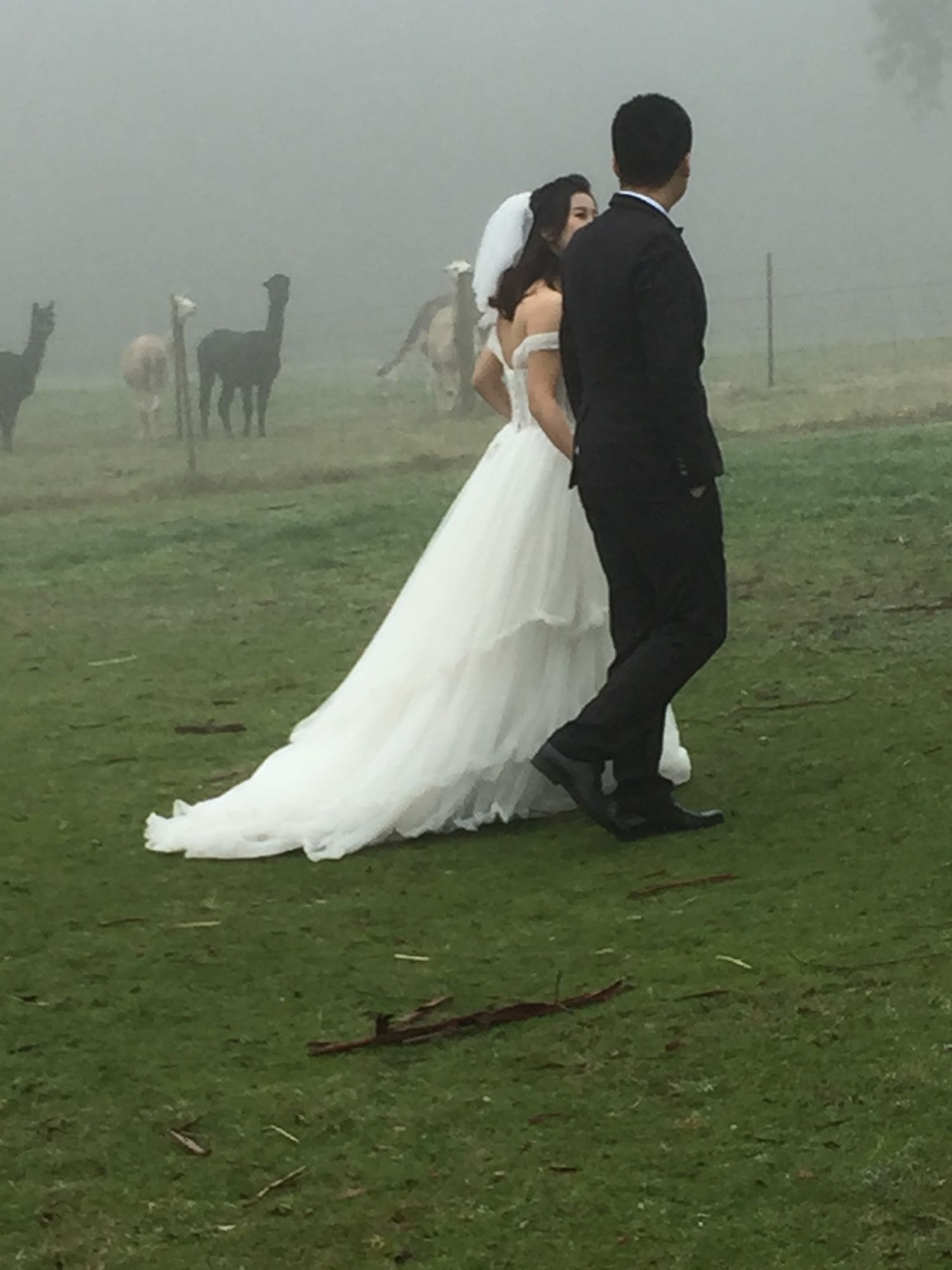
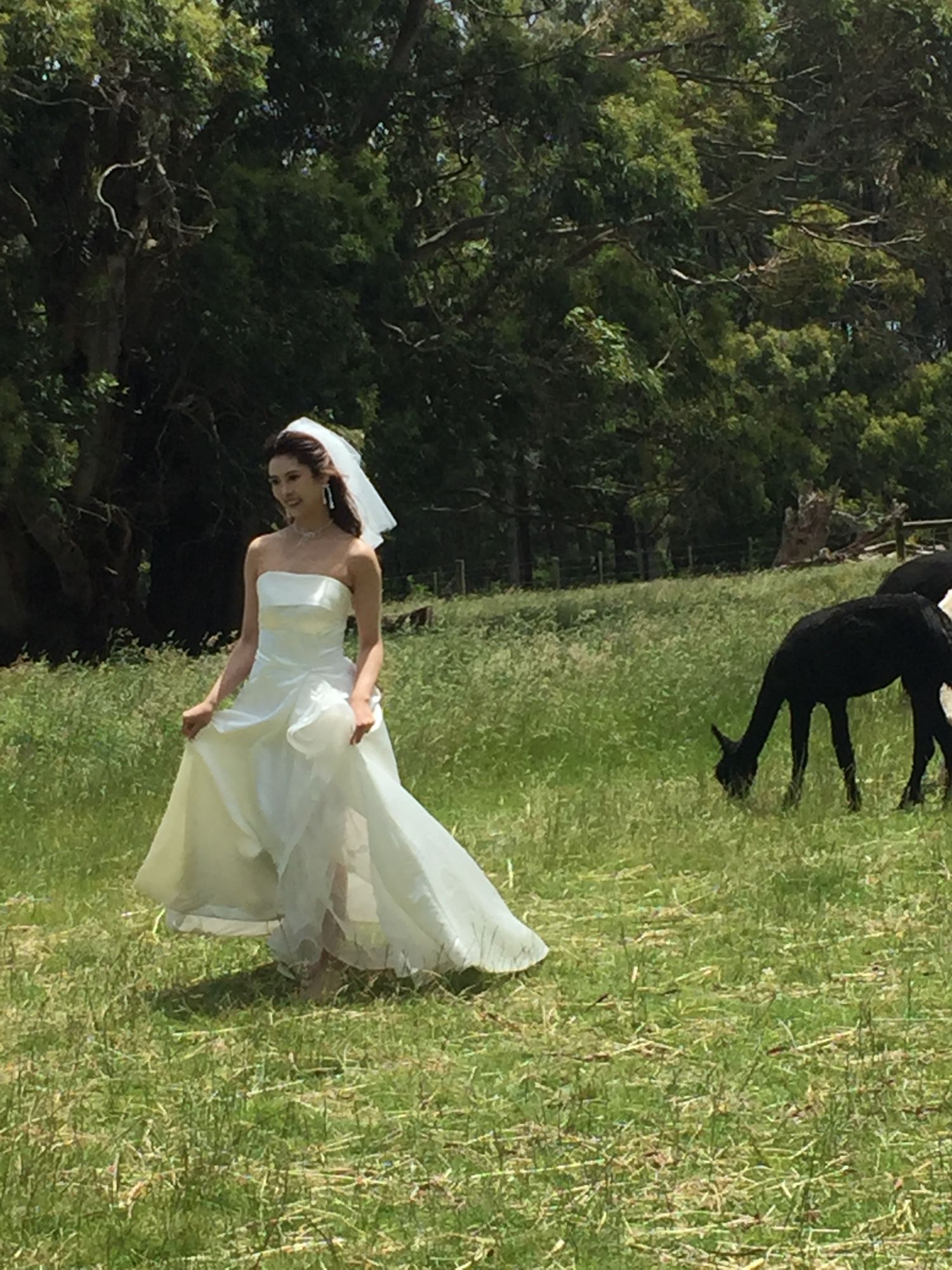
Life with alpacas on the Peninsula
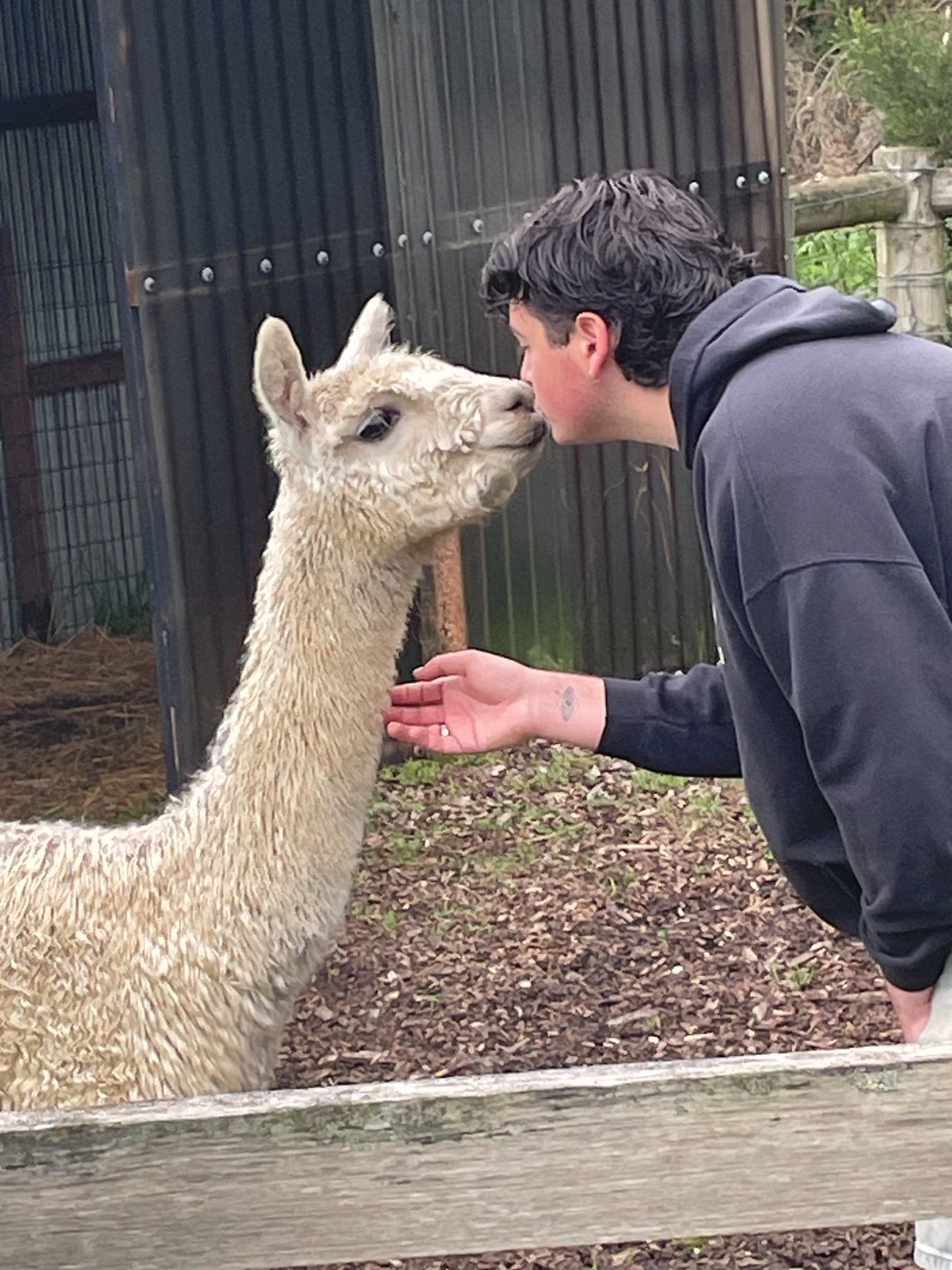
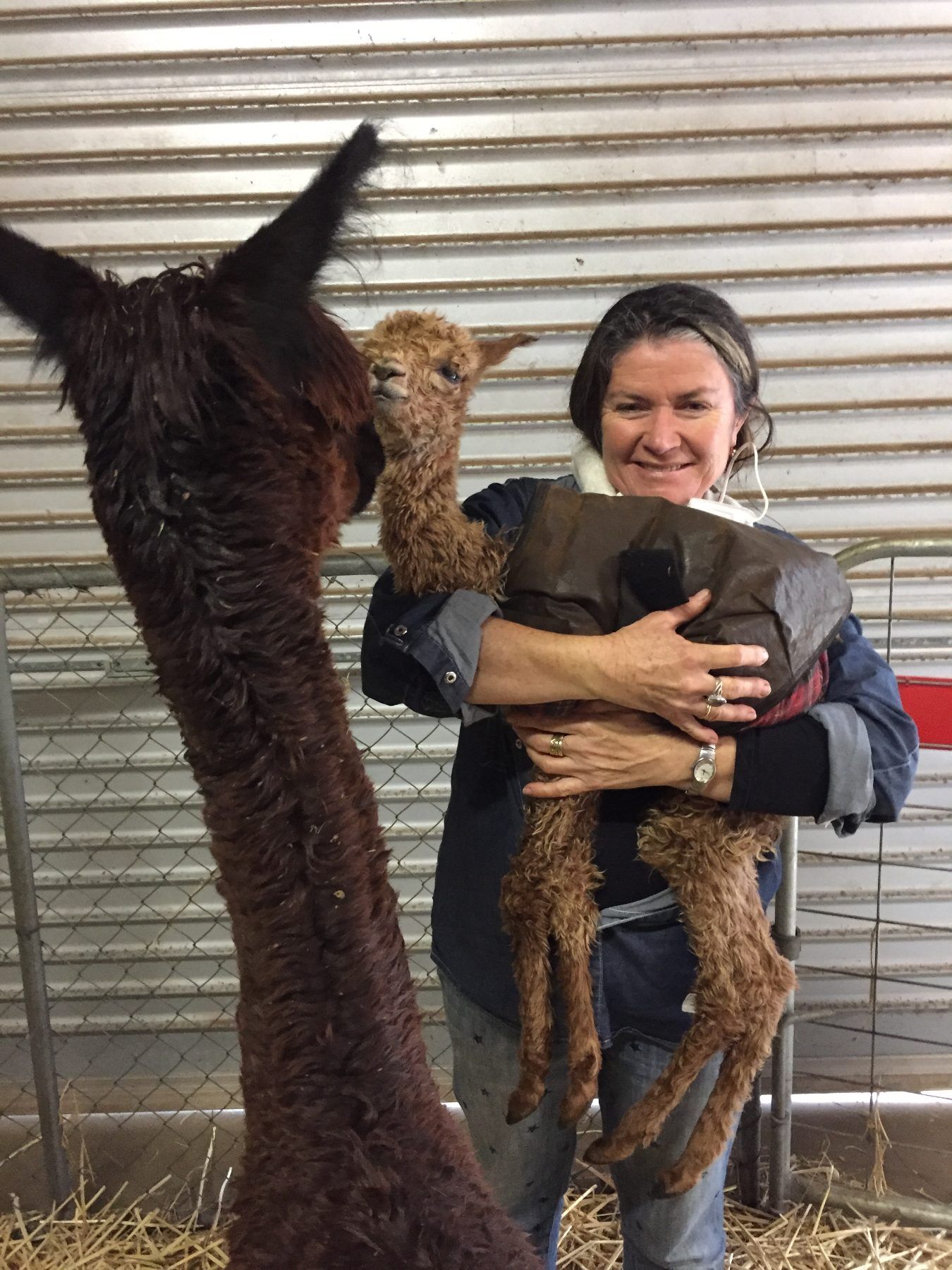
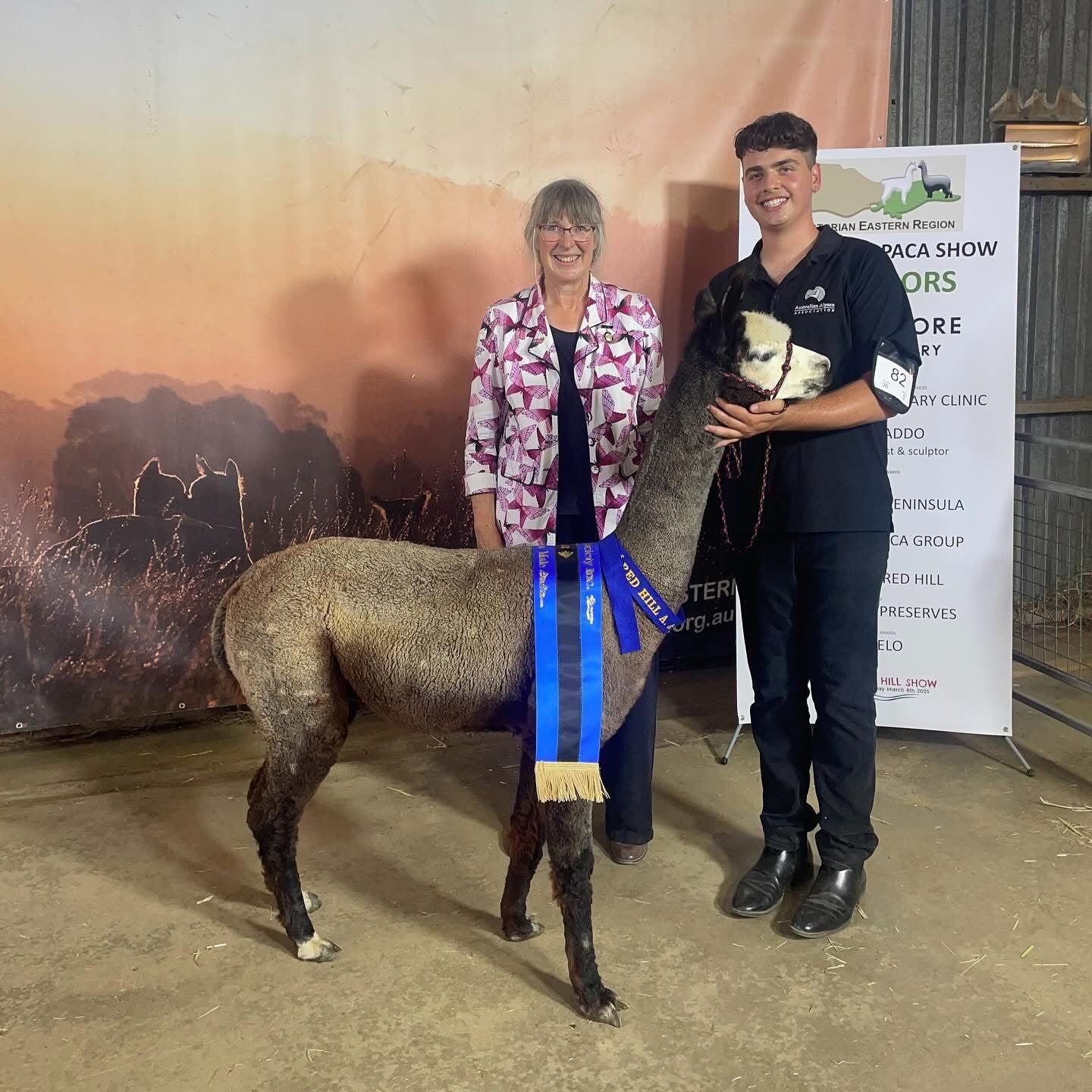
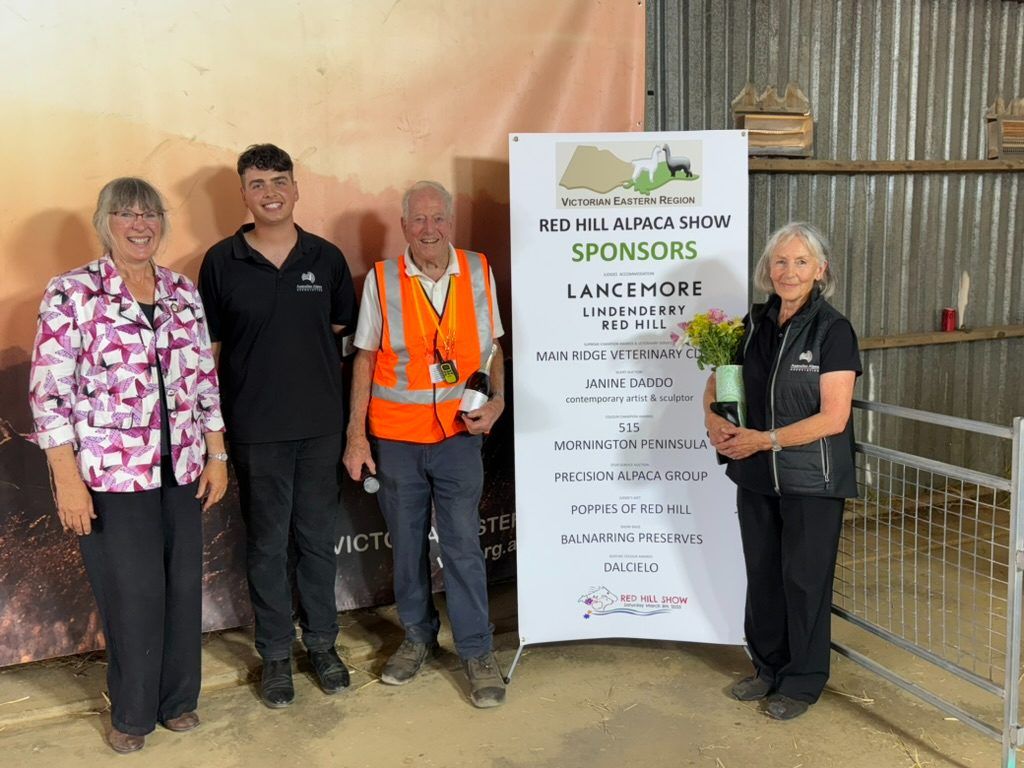
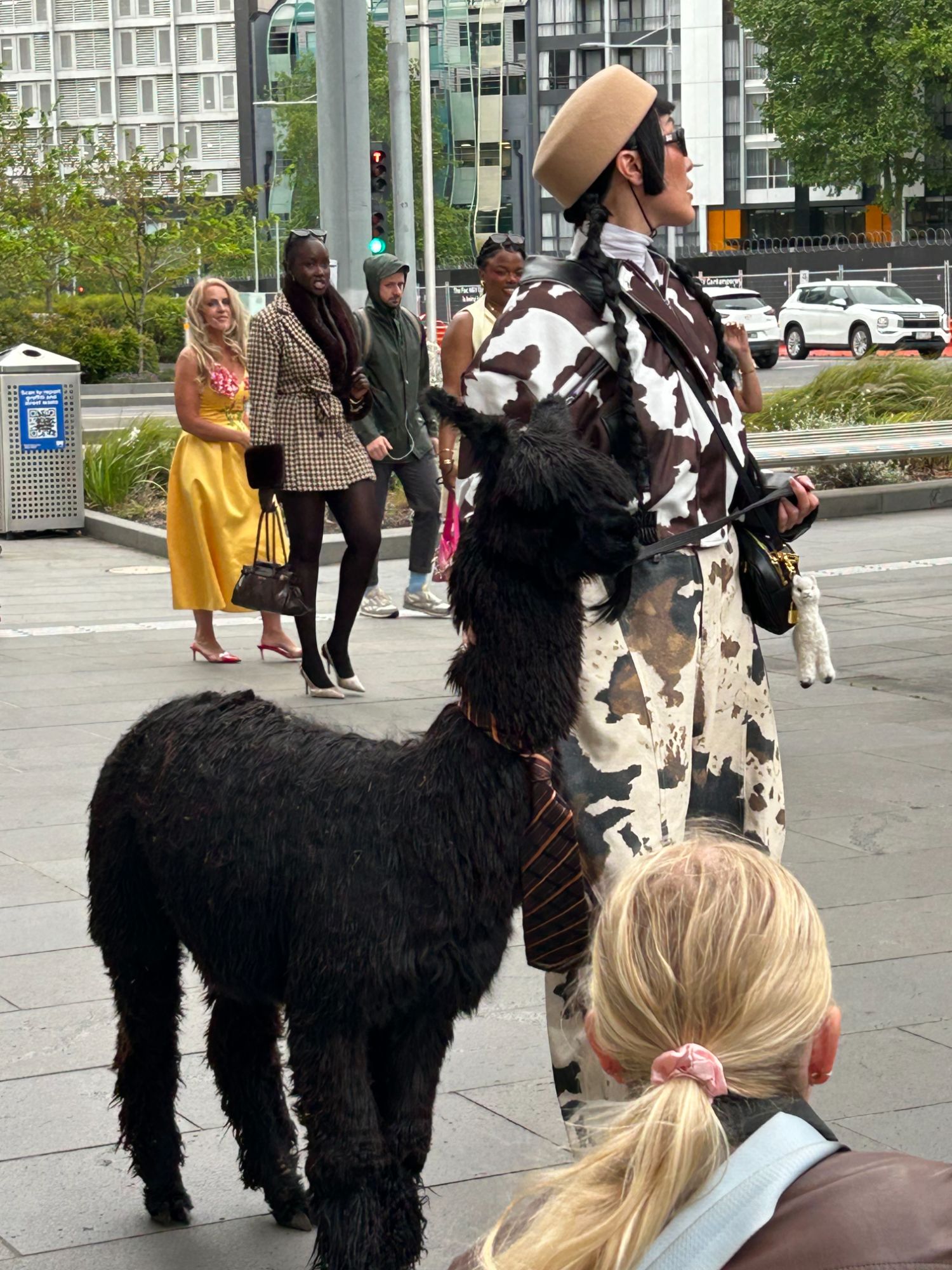
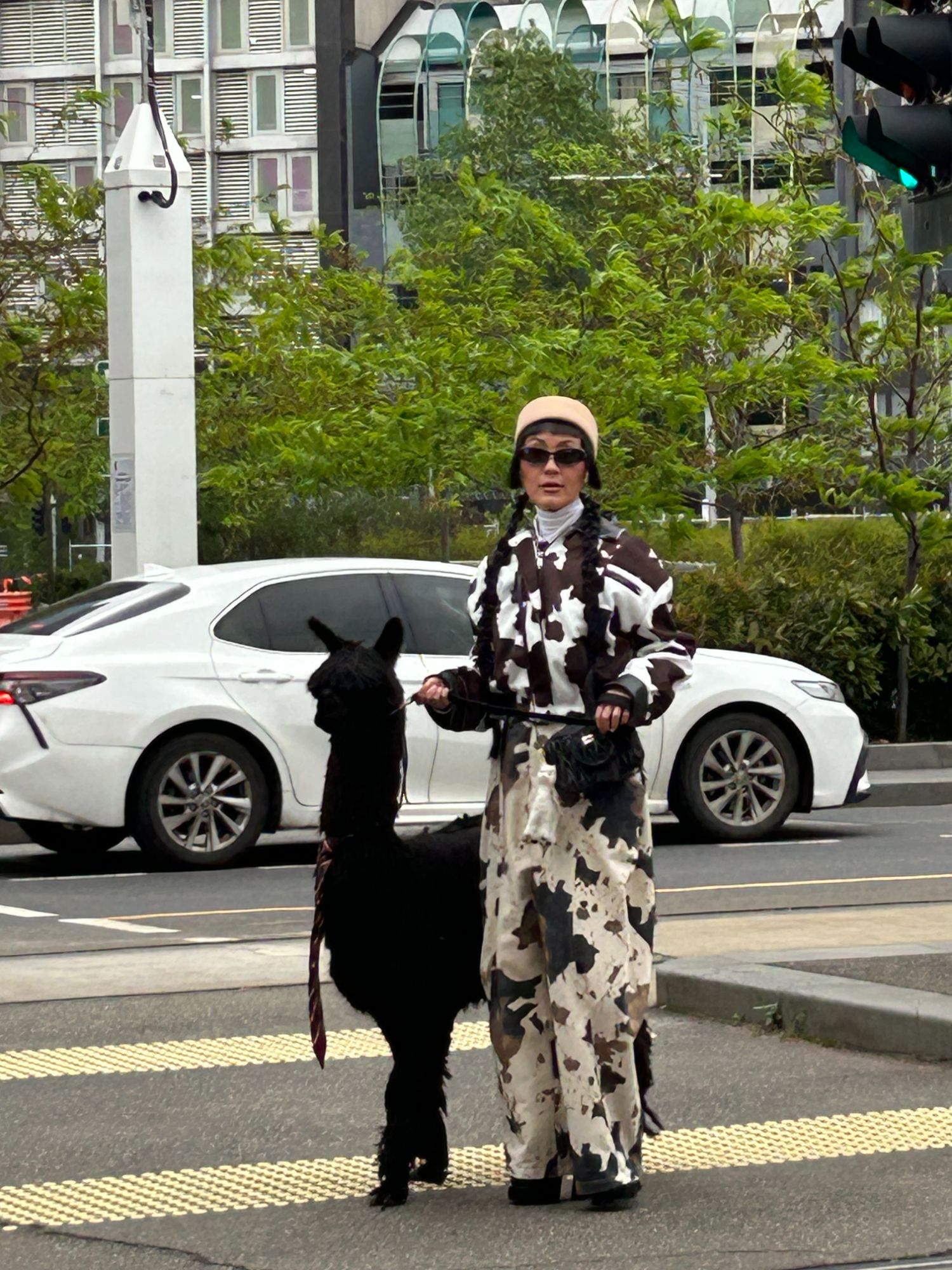
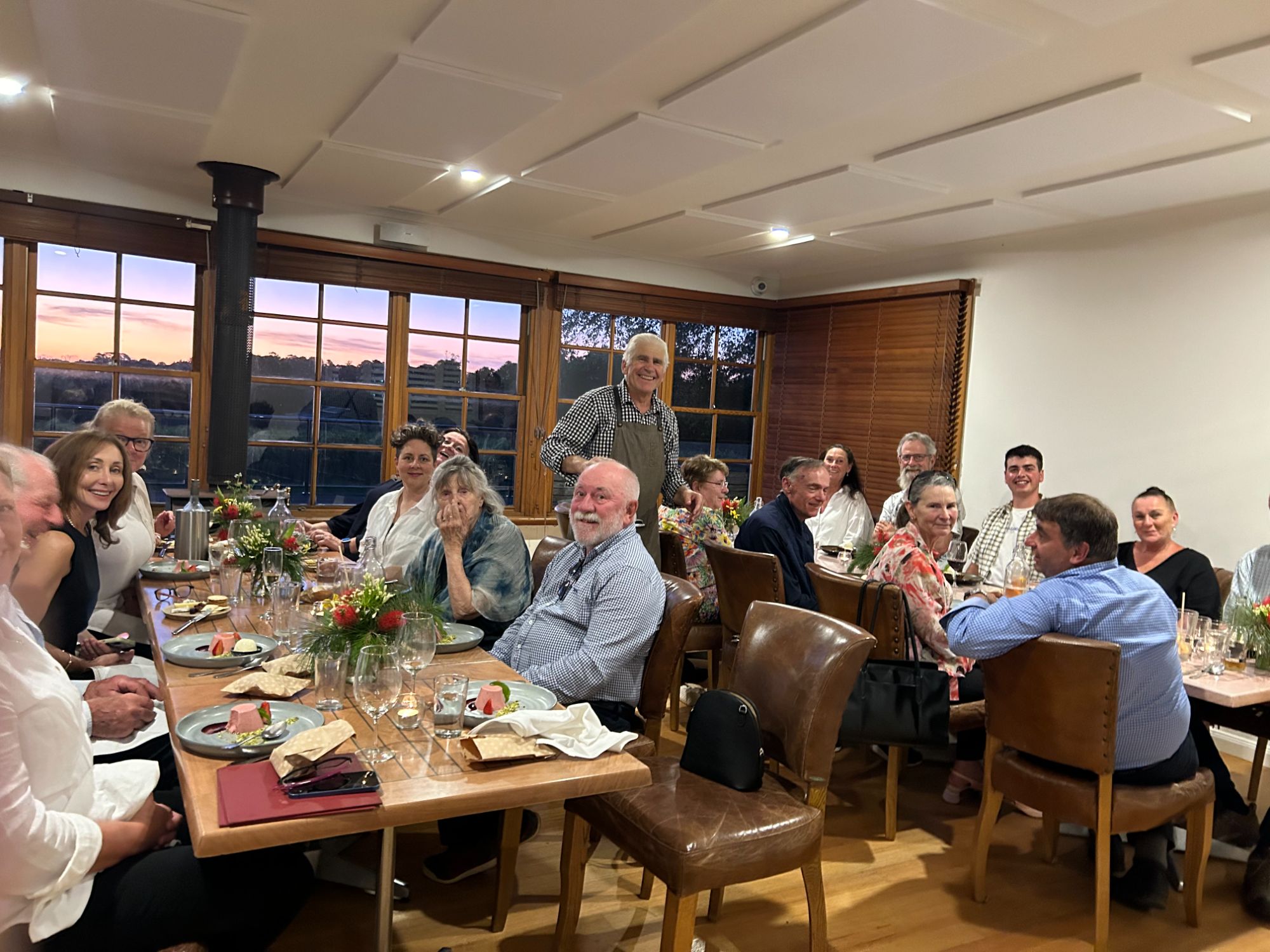
Photographs from our members' farms — shows, shearing, cria, visits and the everyday.
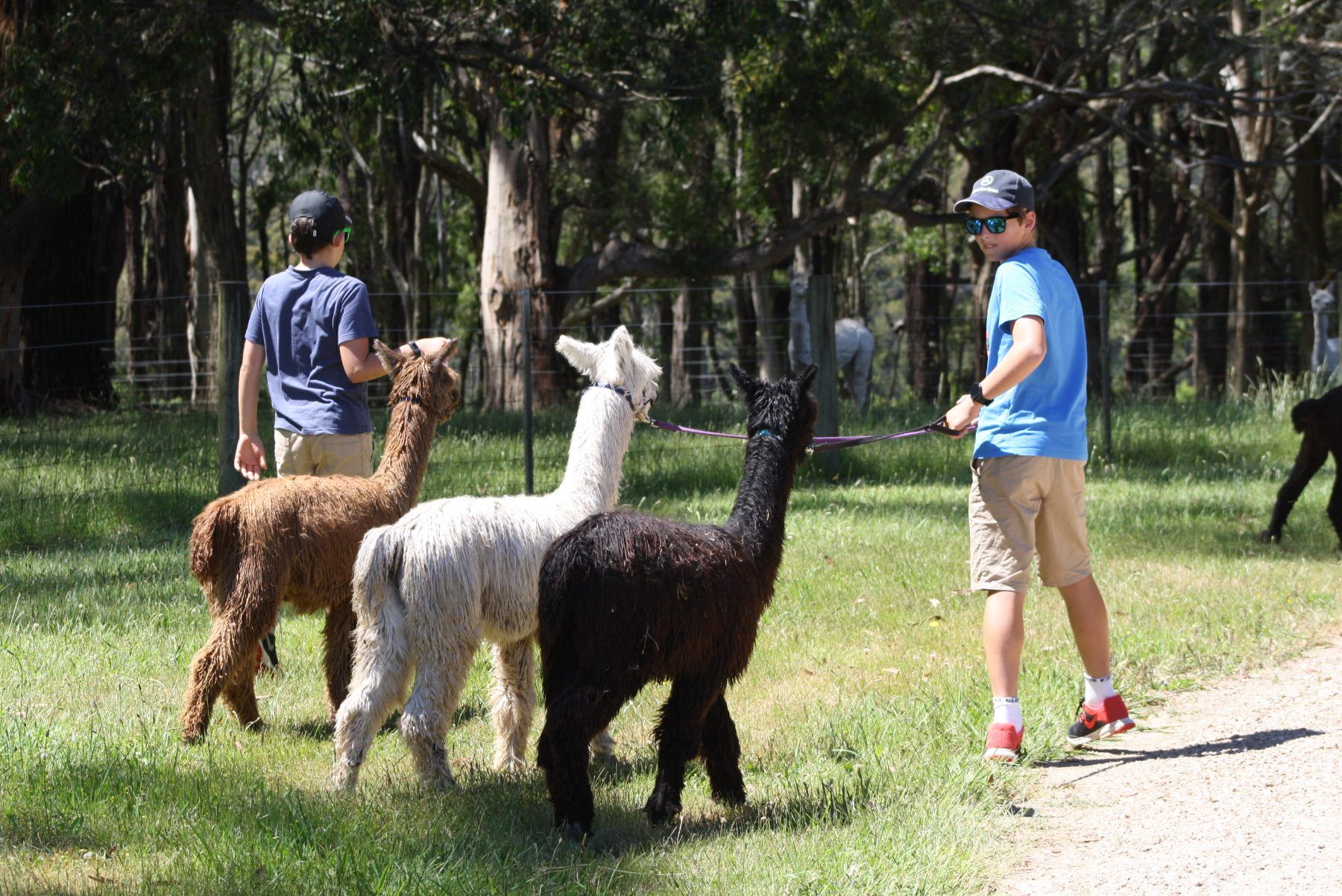
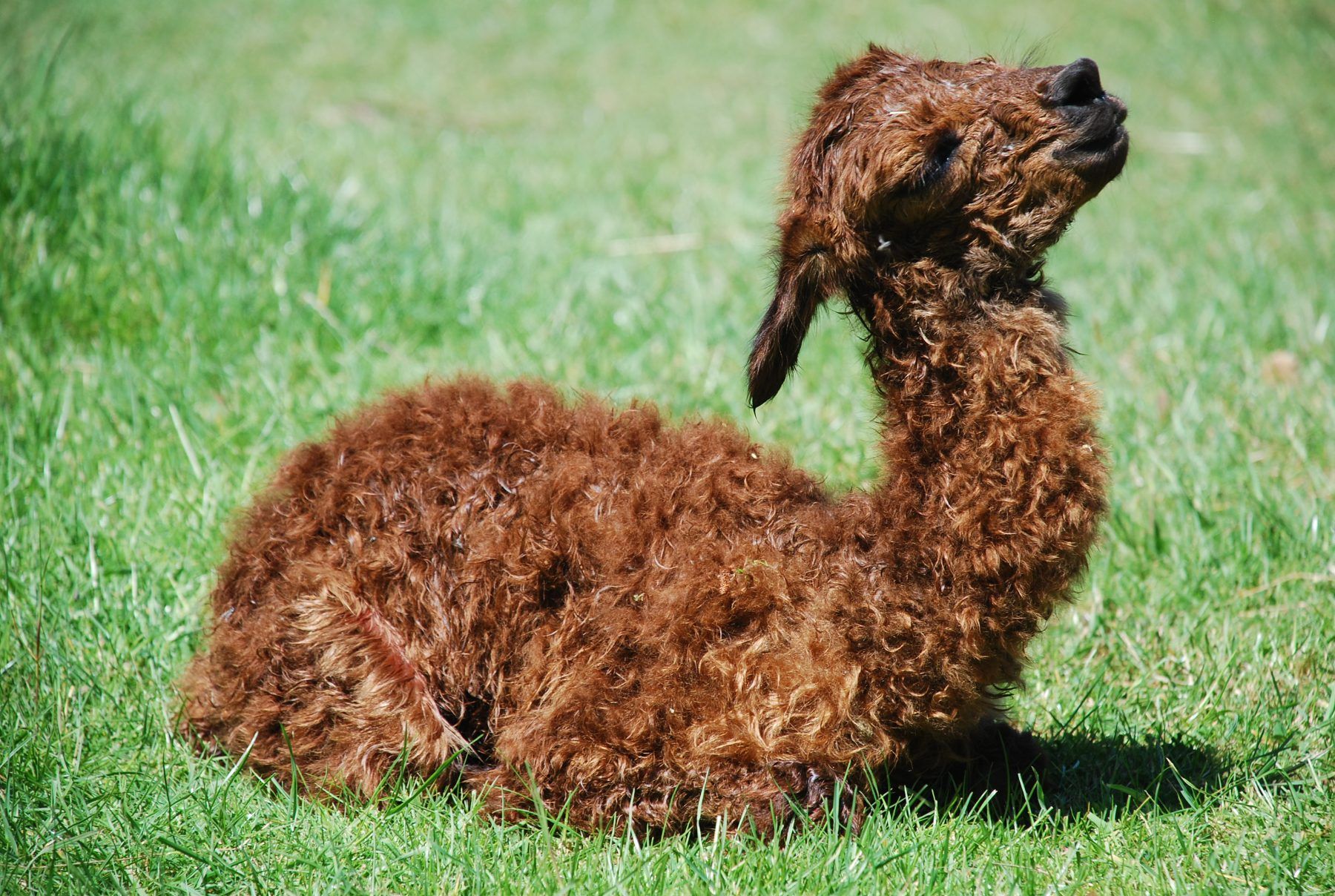
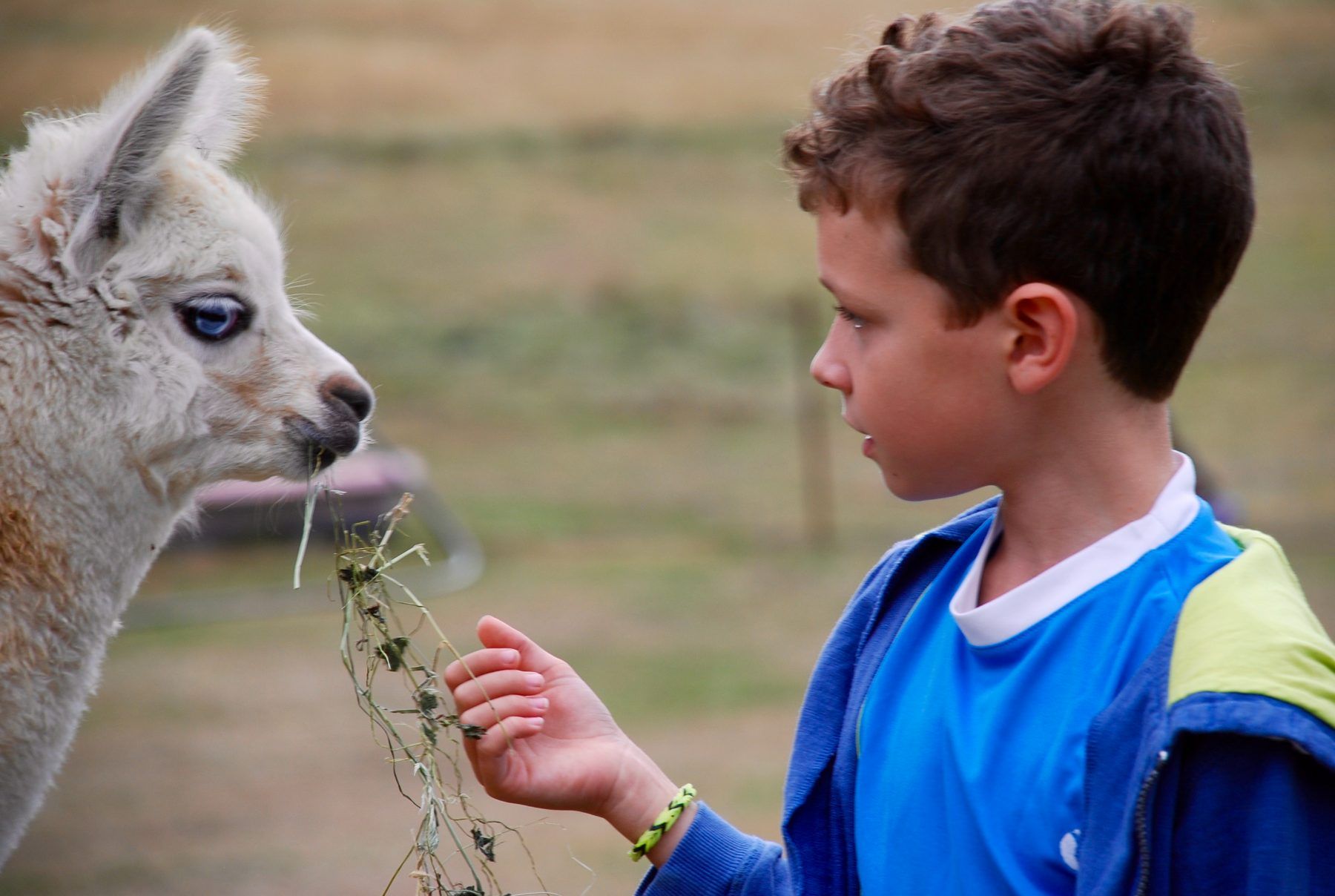
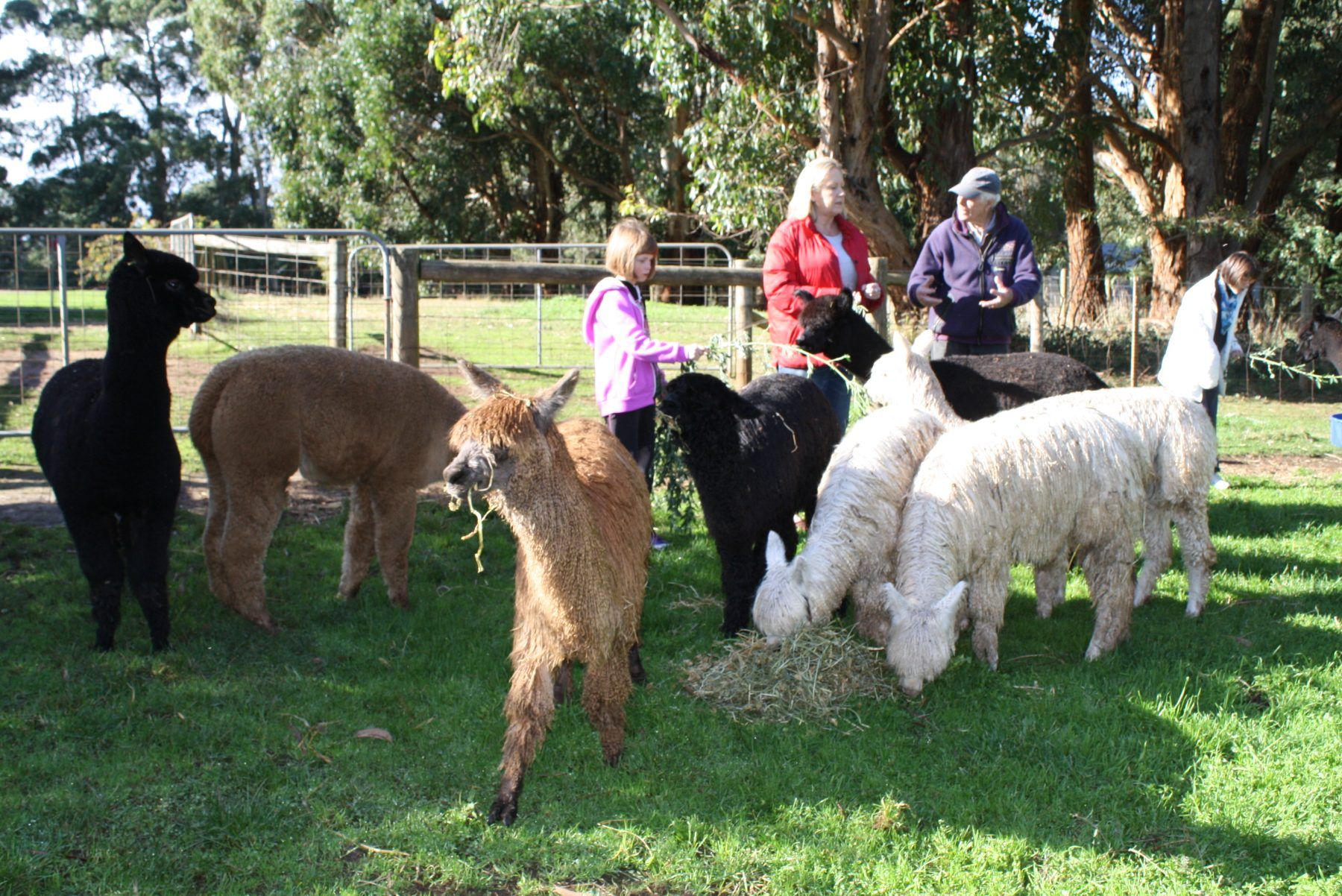
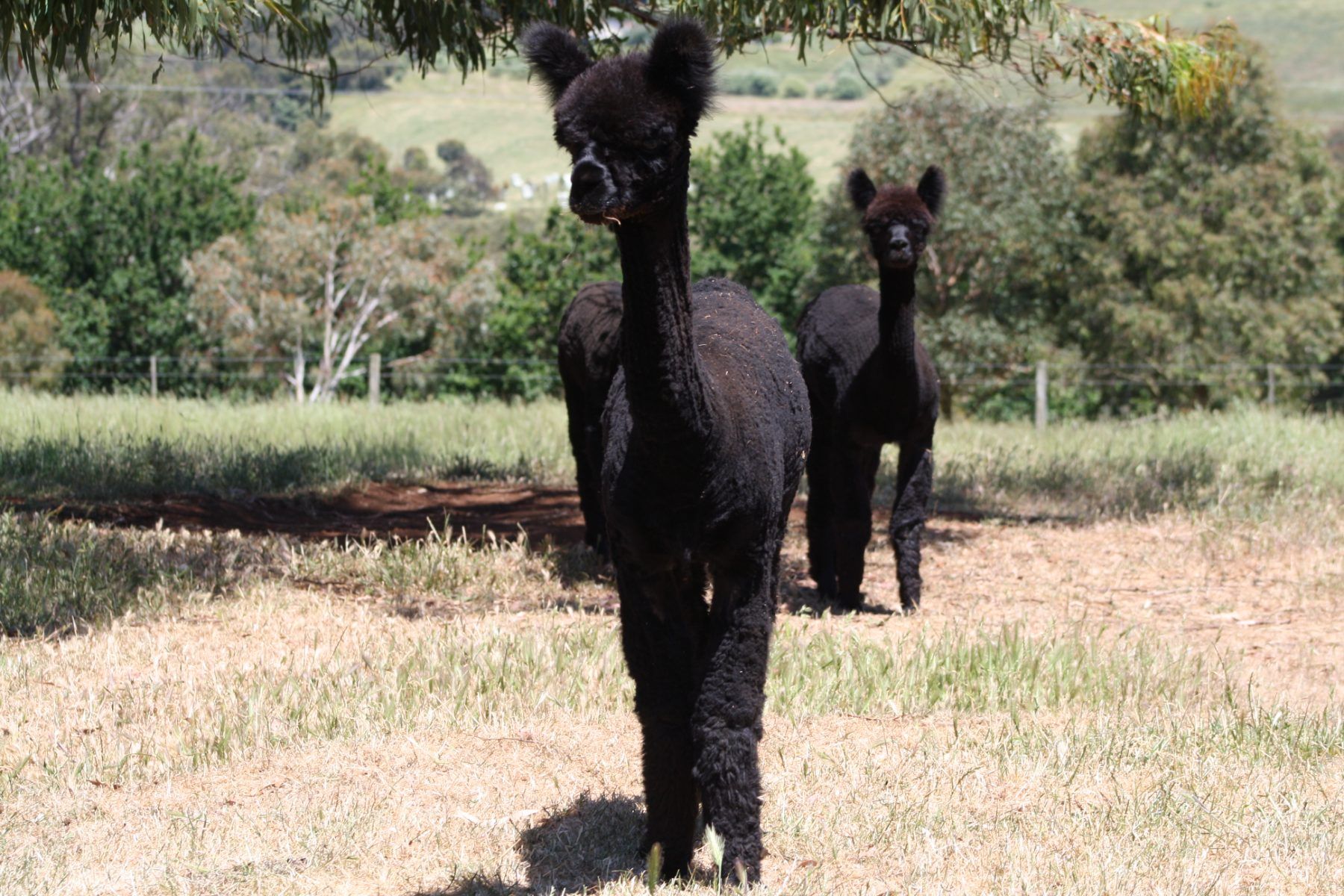
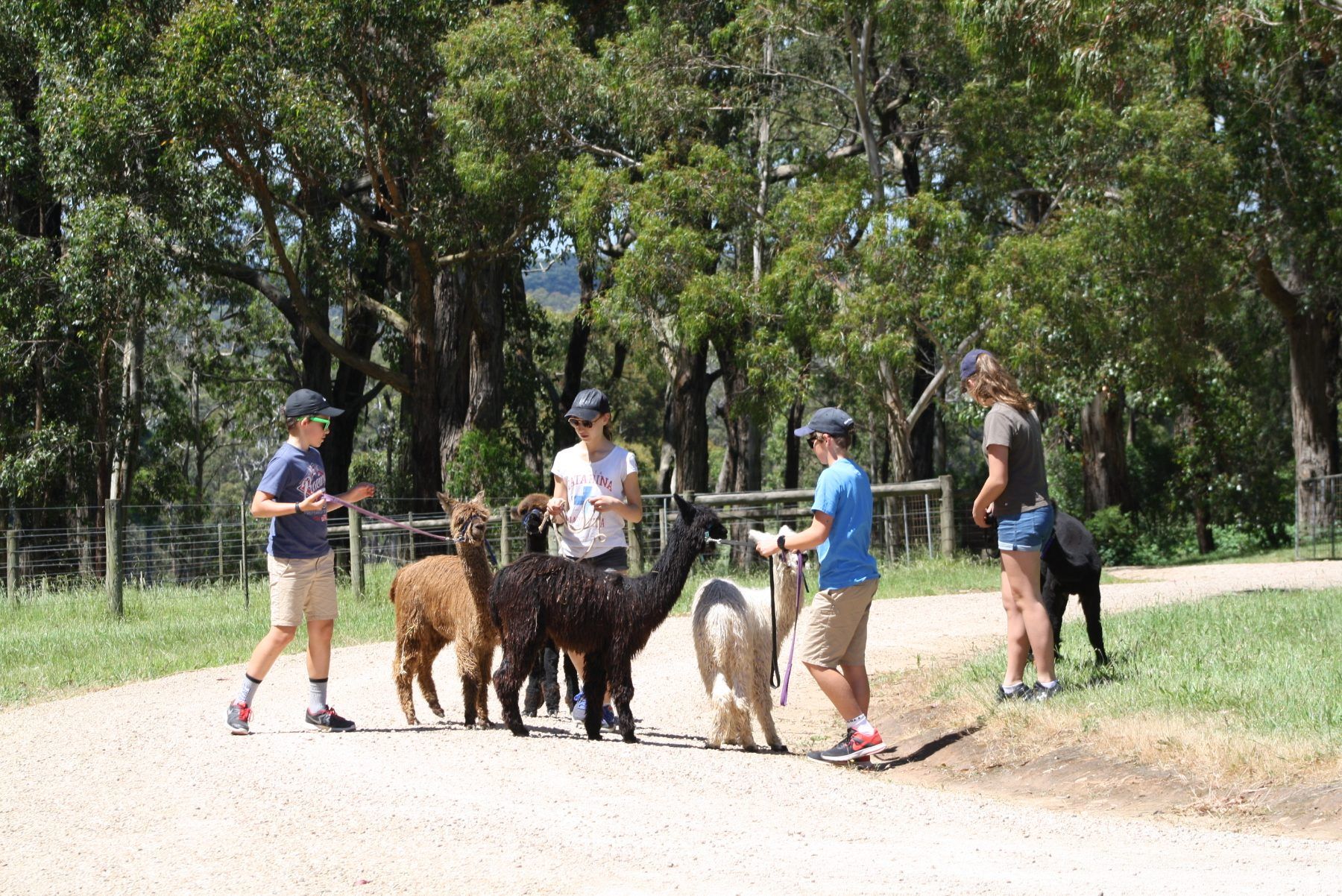
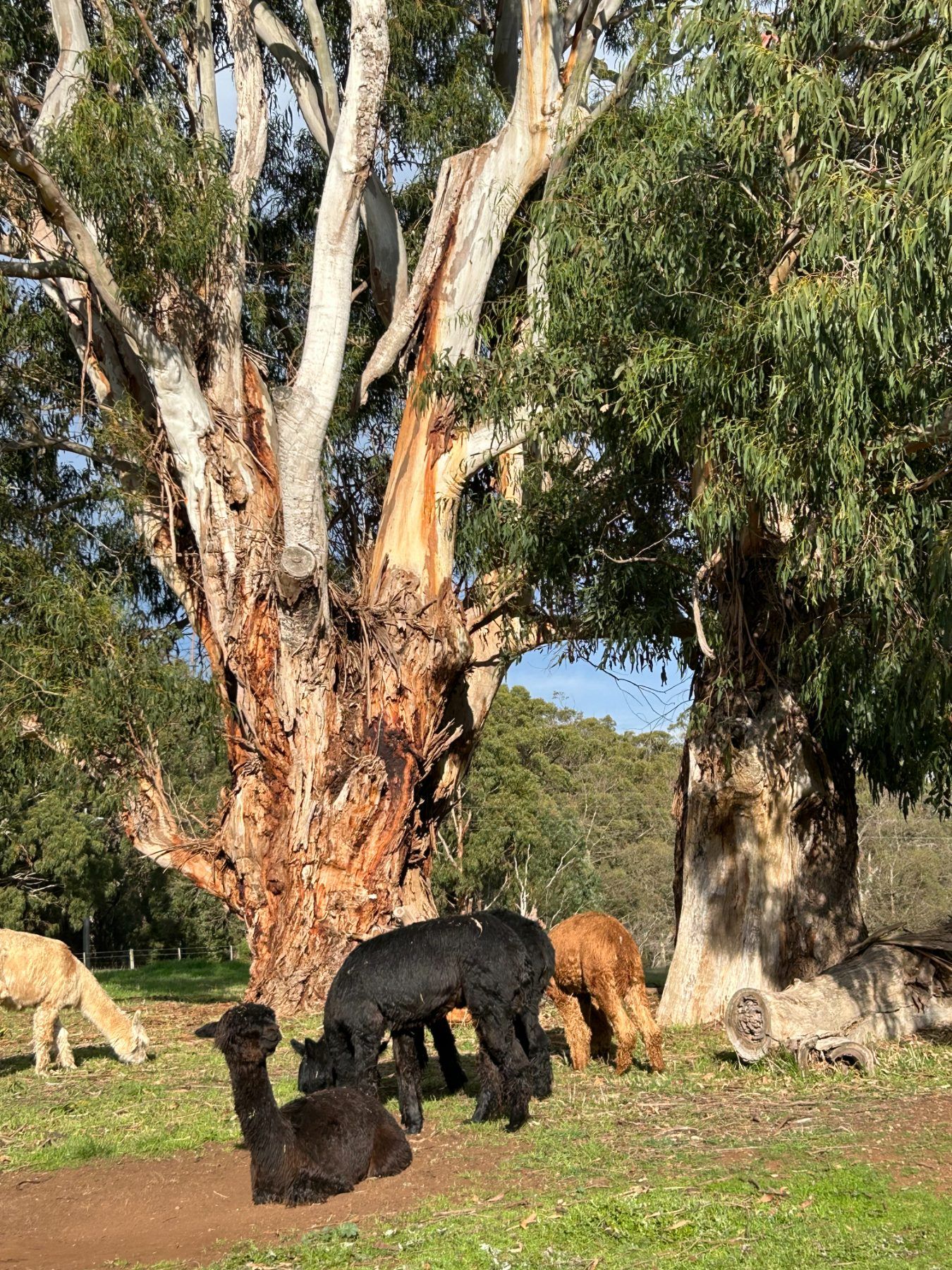
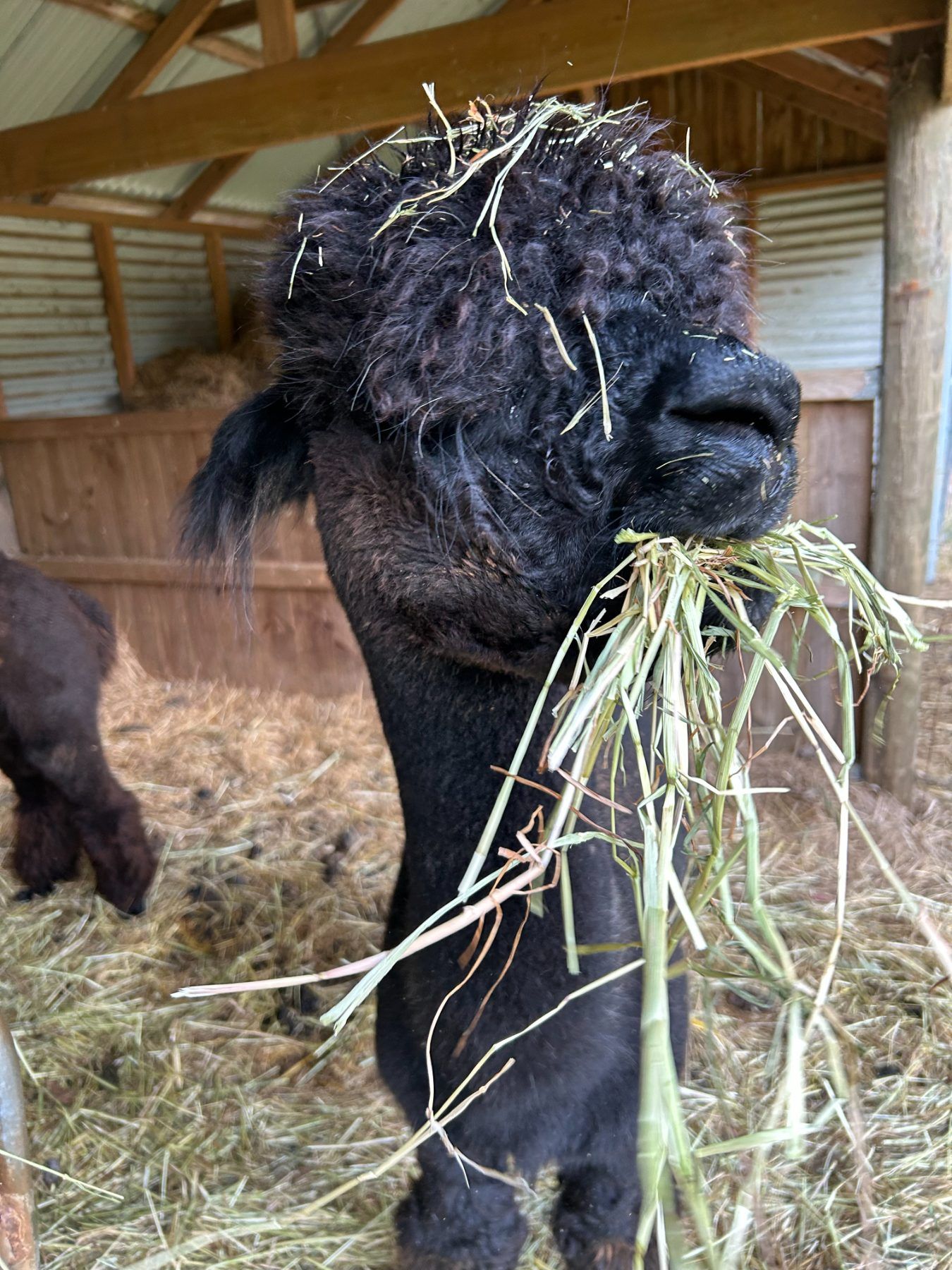
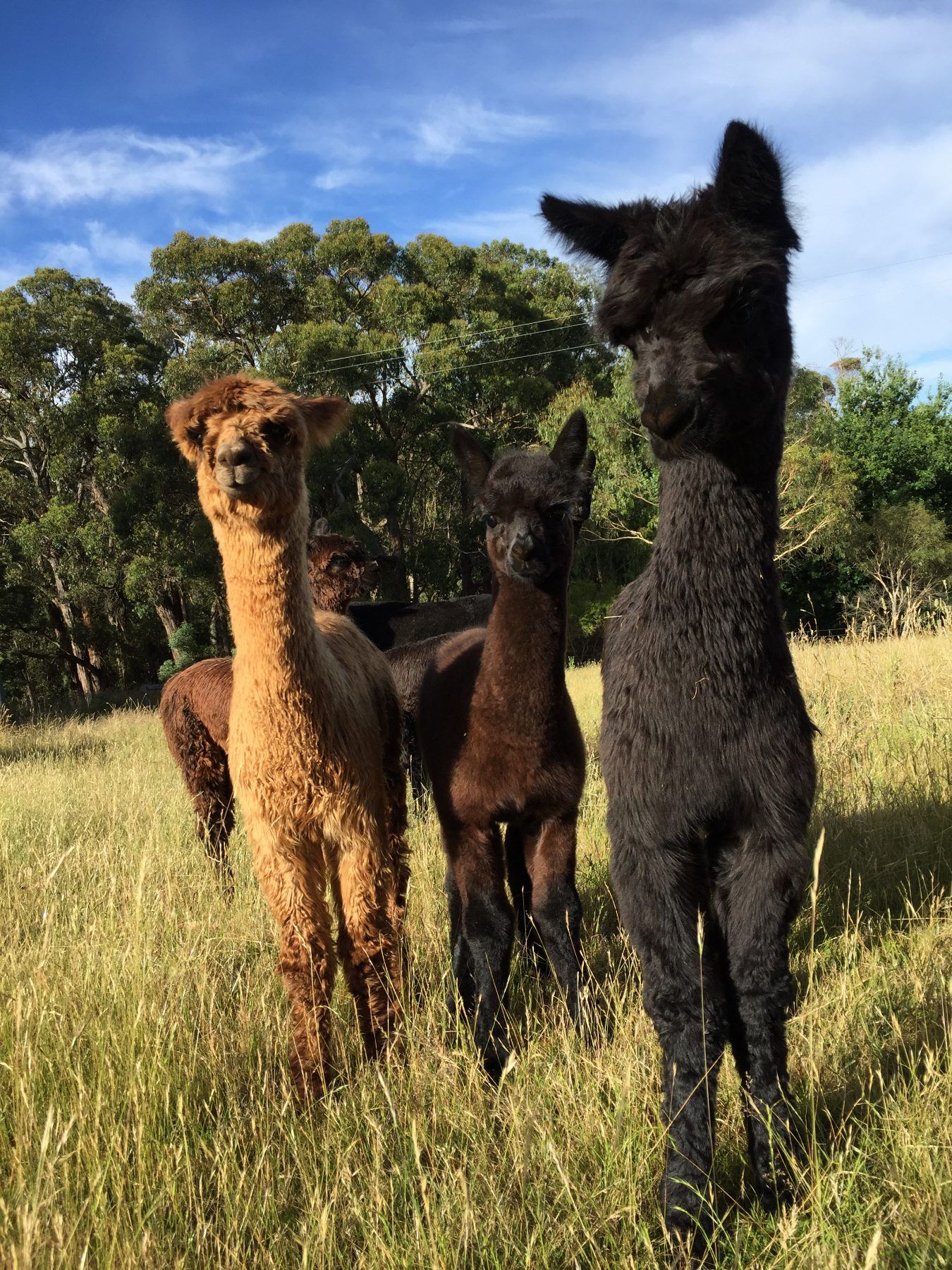
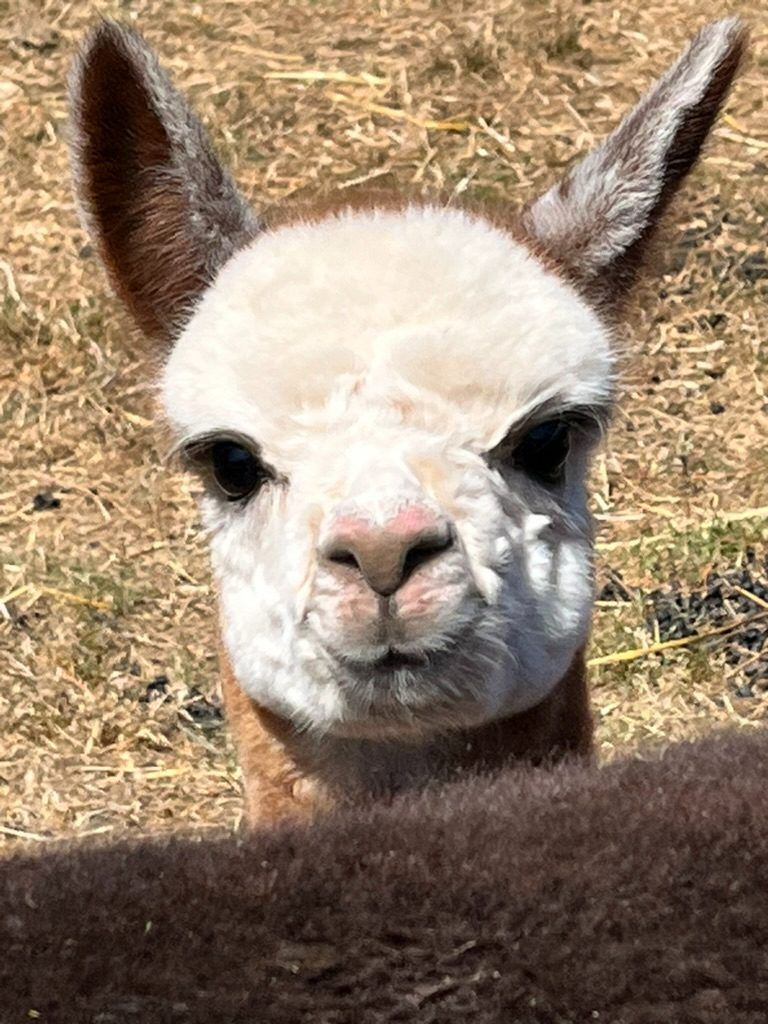
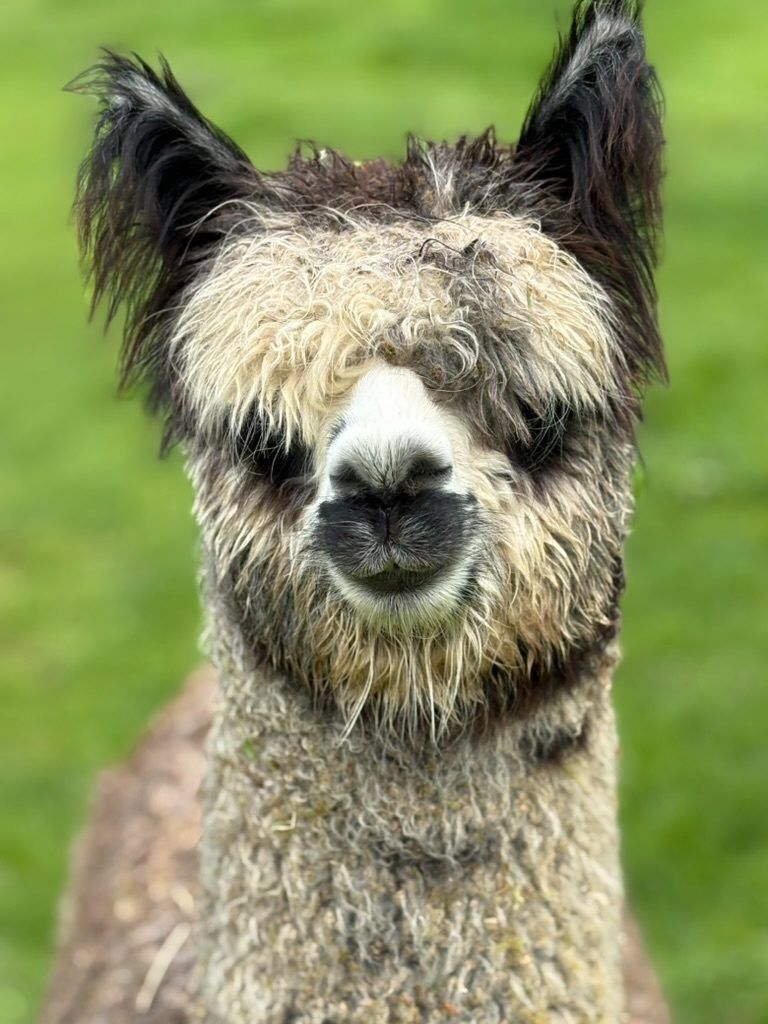
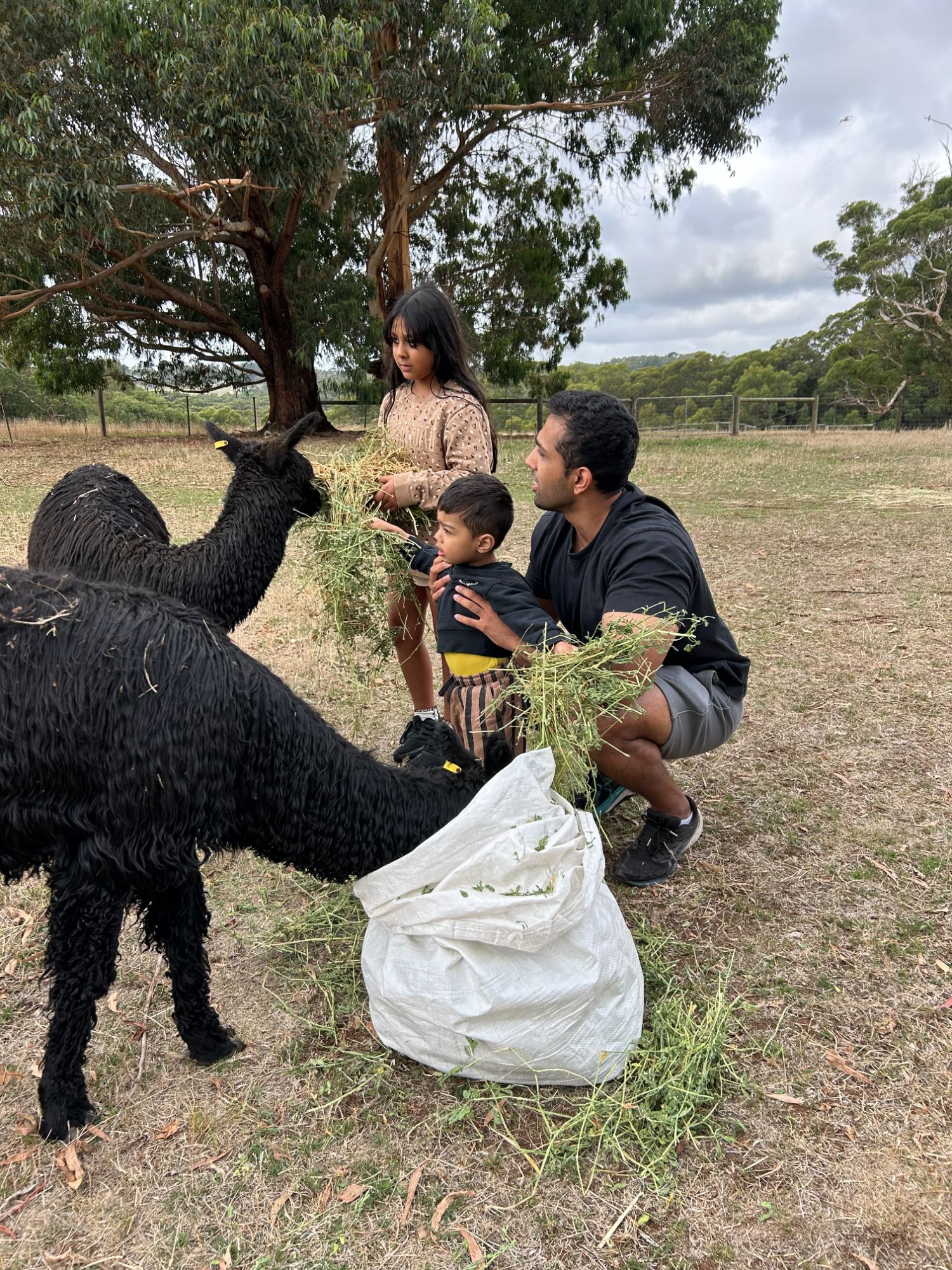
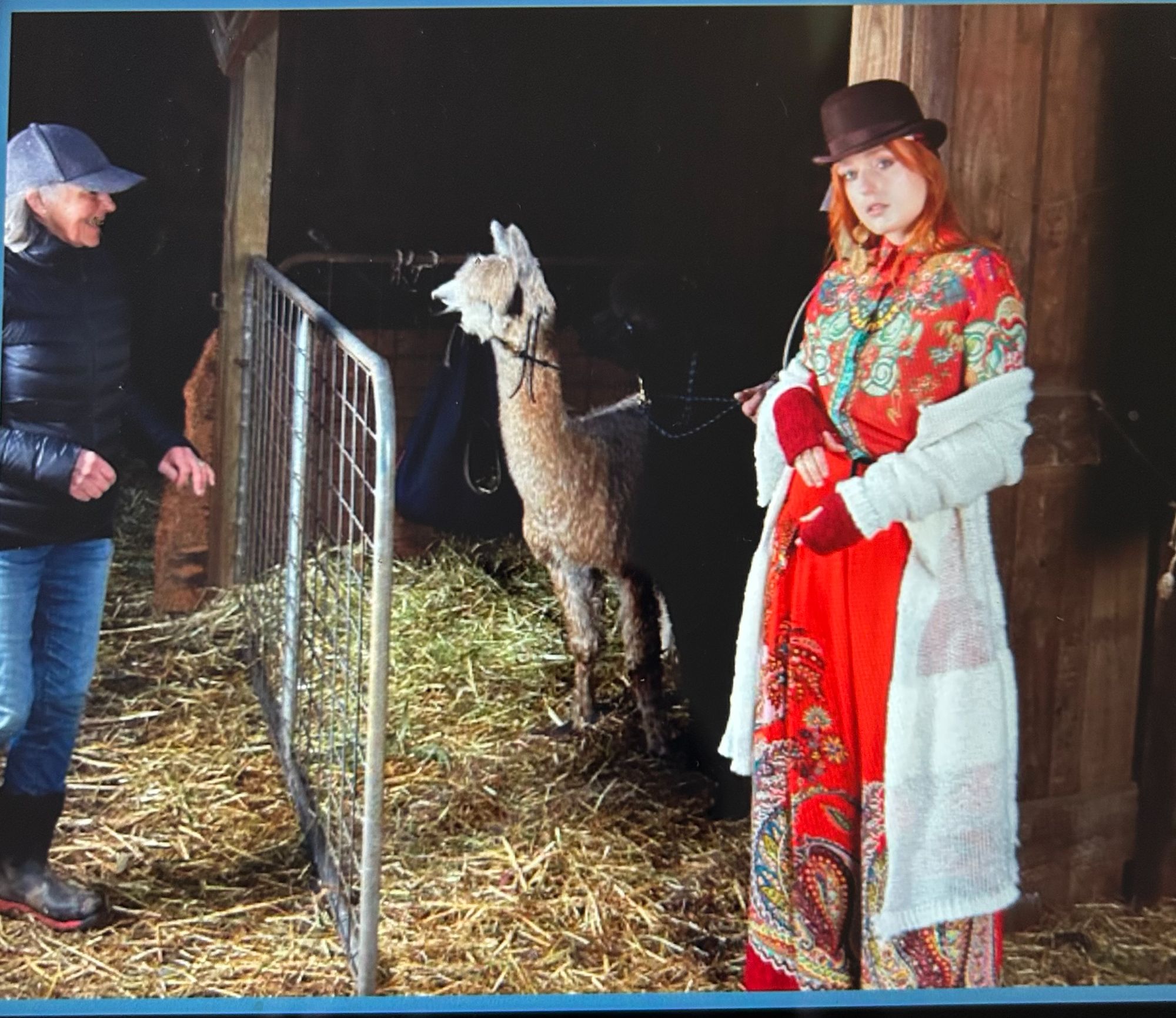
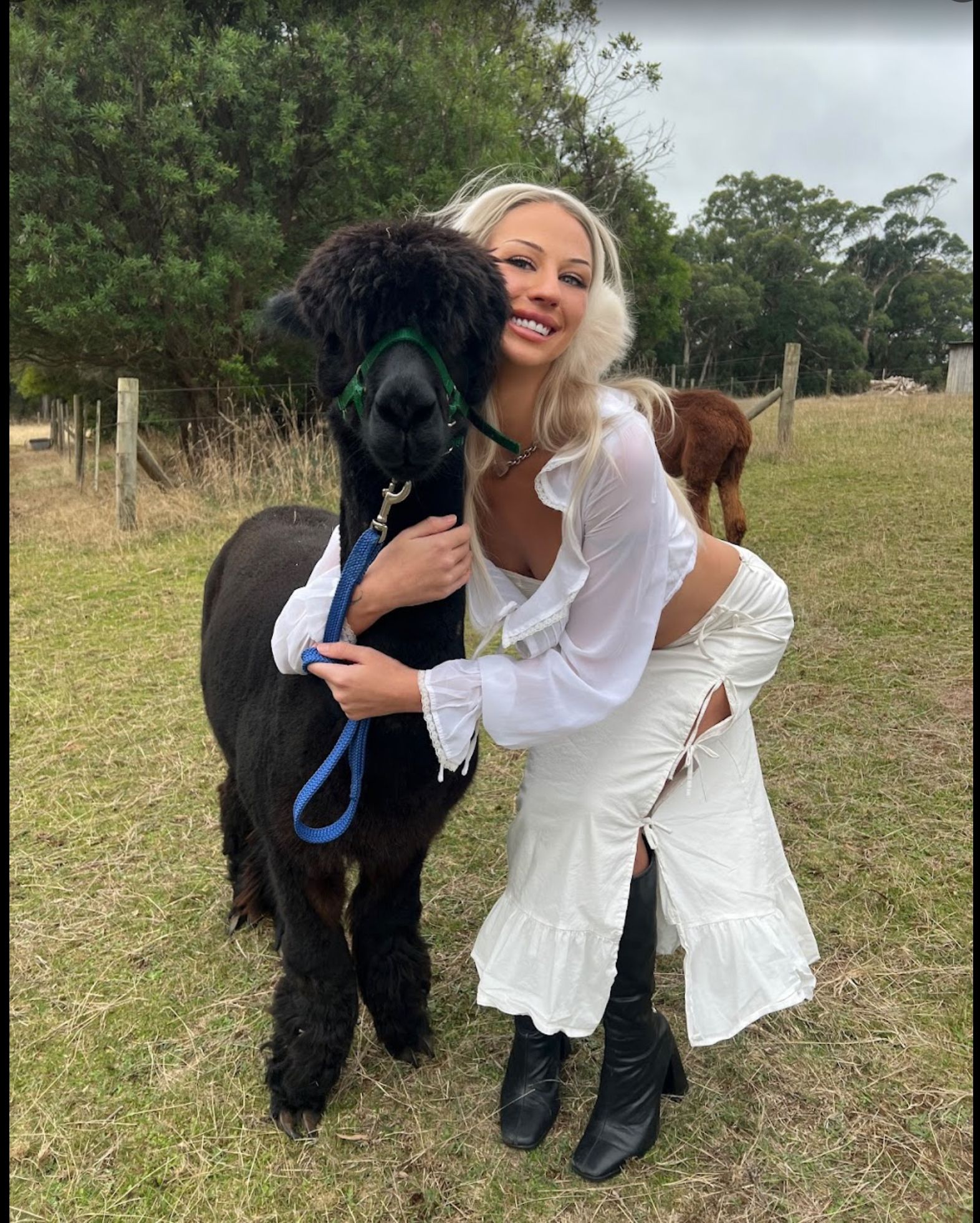
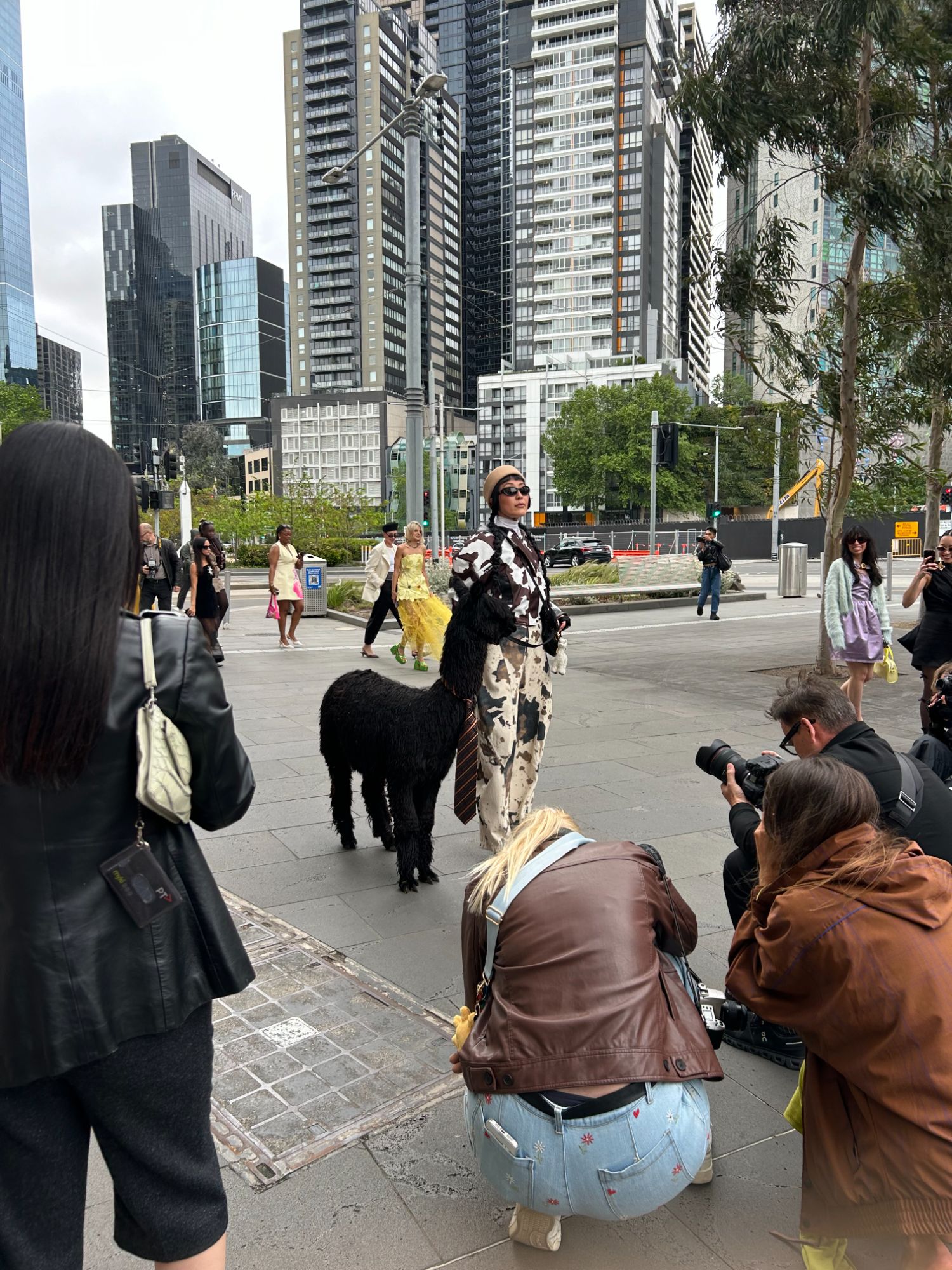
Health & safety
Plants that are toxic to alpacas
Many ornamental garden plants and pasture weeds common on the Peninsula are poisonous to alpacas. Walk your paddocks before stock go in, and check fence lines where neighbours' garden clippings can end up.
Signs of poisoning
Going off feed, drooling, colic or bloat, staggering, tremors, laboured breathing, collapse. Alpacas hide illness well — a quiet animal standing apart from the herd is worth a closer look.
If you suspect poisoning
Move the herd off the paddock, remove the plant source, and call your vet immediately. Take a sample of the suspected plant with you — identifying it quickly changes the treatment.
Common offenders on the Peninsula
{{ plant.note }}
Keeping paddocks safe
{{ tip.text }}
Biosecurity
Bird flu and what it means for alpaca owners
Avian influenza is a disease of birds, and alpacas are not a species at meaningful risk. But many of our members also keep poultry, and outbreaks in Victoria bring movement restrictions and biosecurity obligations that affect the whole property.
positive H5 bird flu events recorded across Victoria, in metropolitan Melbourne, coastal and southern inland locations.
positive cases on the Mornington Peninsula. The first local case was identified on 6 August 2026.
detections in poultry or other animals. Detections so far are in terns, gulls, ravens, magpies, a shearwater, a gannet and a penguin.
Figures presented to the MPAB meeting on 25 August 2026, correct as at 23 August 2026. The situation is changing quickly. Check Agriculture Victoria for the current position.
What to do on your property
{{ step.title }}
{{ step.text }}
Signs to watch for in birds
{{ sign.text }}
Report unusual bird deaths
Any sudden or unexplained deaths in poultry or wild birds must be reported. Call the Emergency Animal Disease Watch Hotline on 1800 675 888 — it operates 24 hours, and the call is free.
Current outbreak status, control-area maps and movement restrictions are published by Agriculture Victoria. Check their site before moving any birds, eggs or equipment, and before attending a show.
Documents
Downloadable documents to share with others in our community
Overview of H5 Bird Flu — MPAB meeting, 25 August 2026
The briefing presented to the group: what H5 is, which species can be infected, signs to recognise, the current Victorian and Peninsula picture, and how to protect alpacas and backyard poultry.
Download the briefingCome Clean, Go Clean — general on-farm biosecurity
Agriculture Victoria's four-step entry and exit routine for visitors, equipment and vehicles. Print it at A3 and put it at the farm gate.
Download the poster